Inpage Navigation Section: Overview
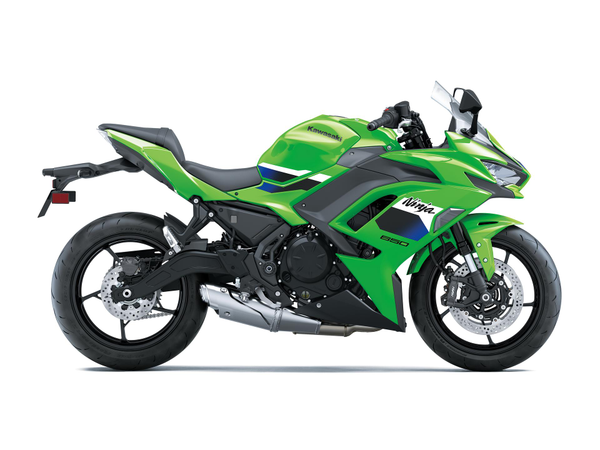
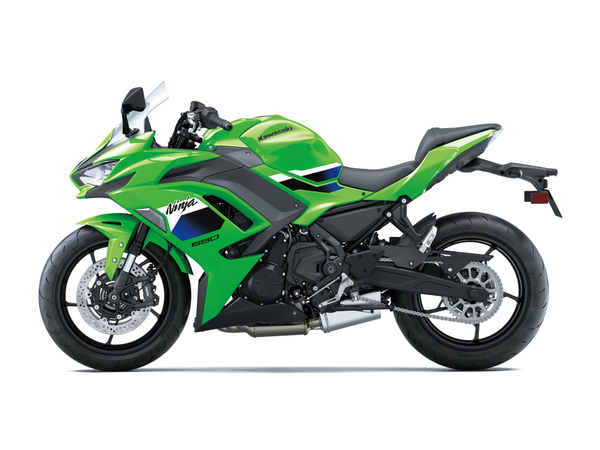
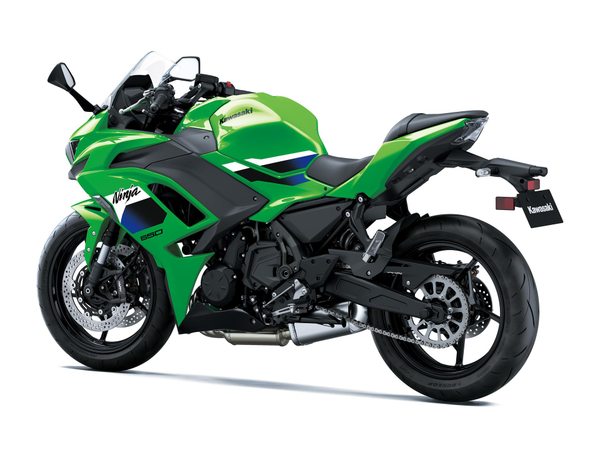
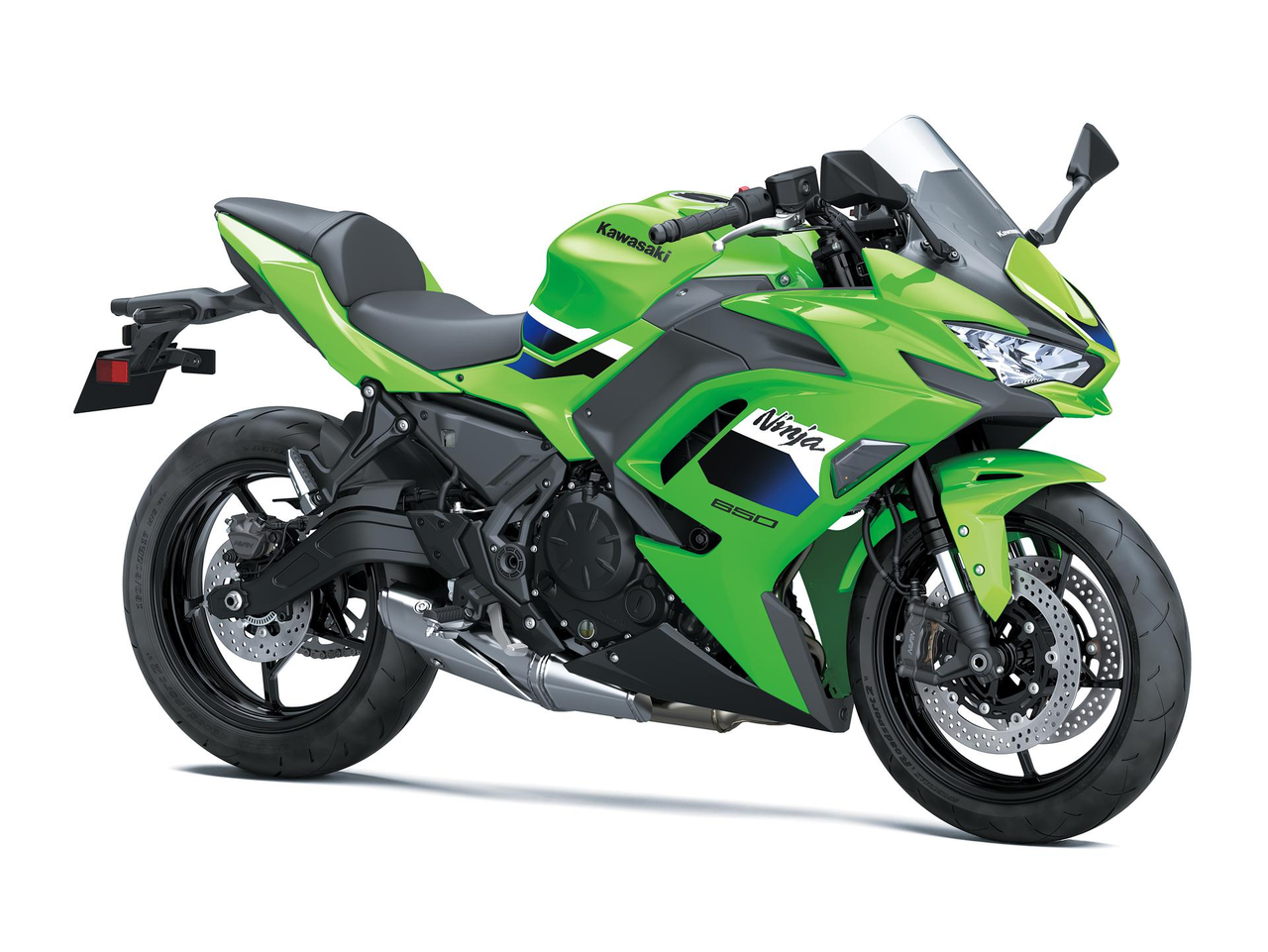
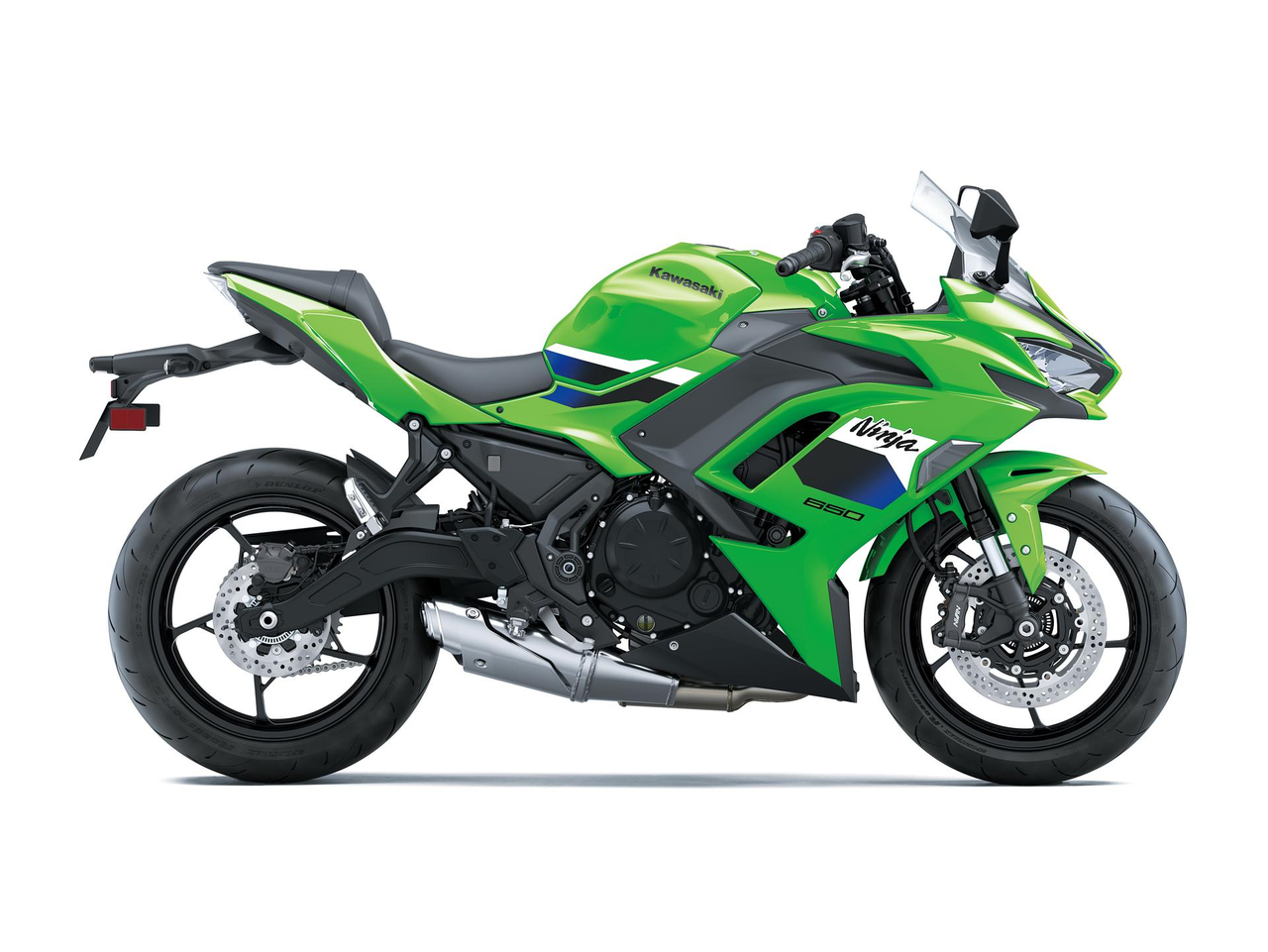
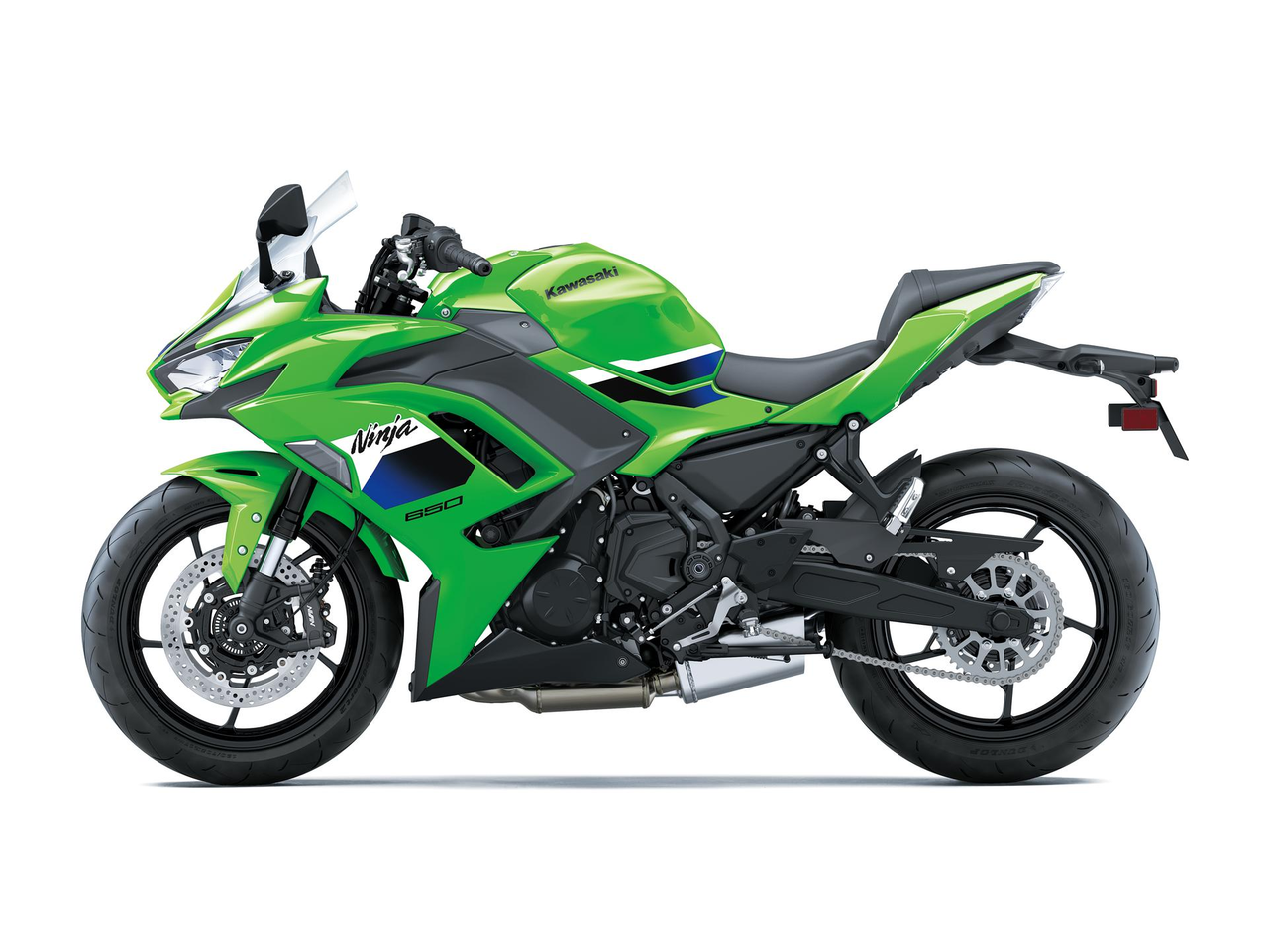
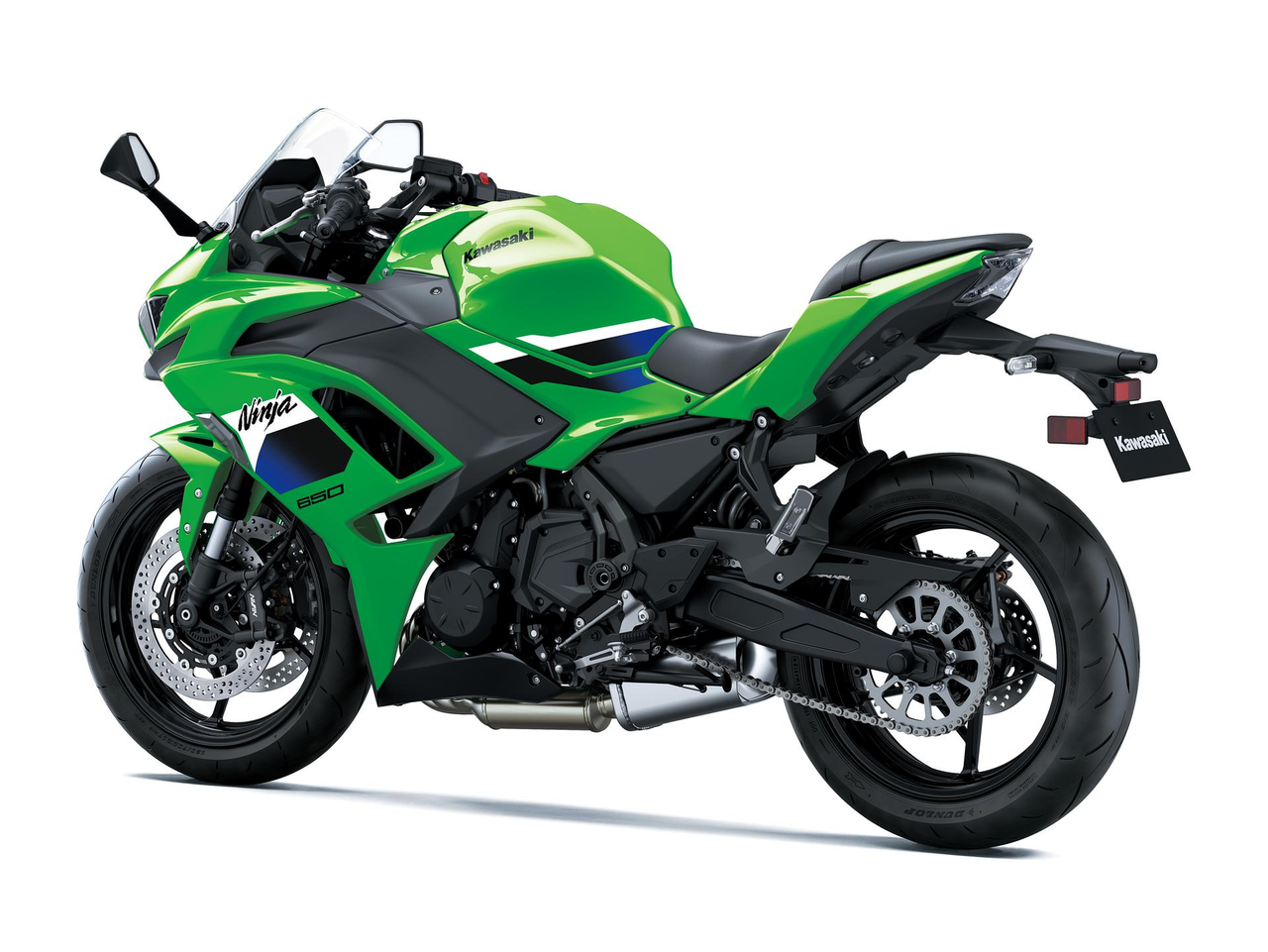
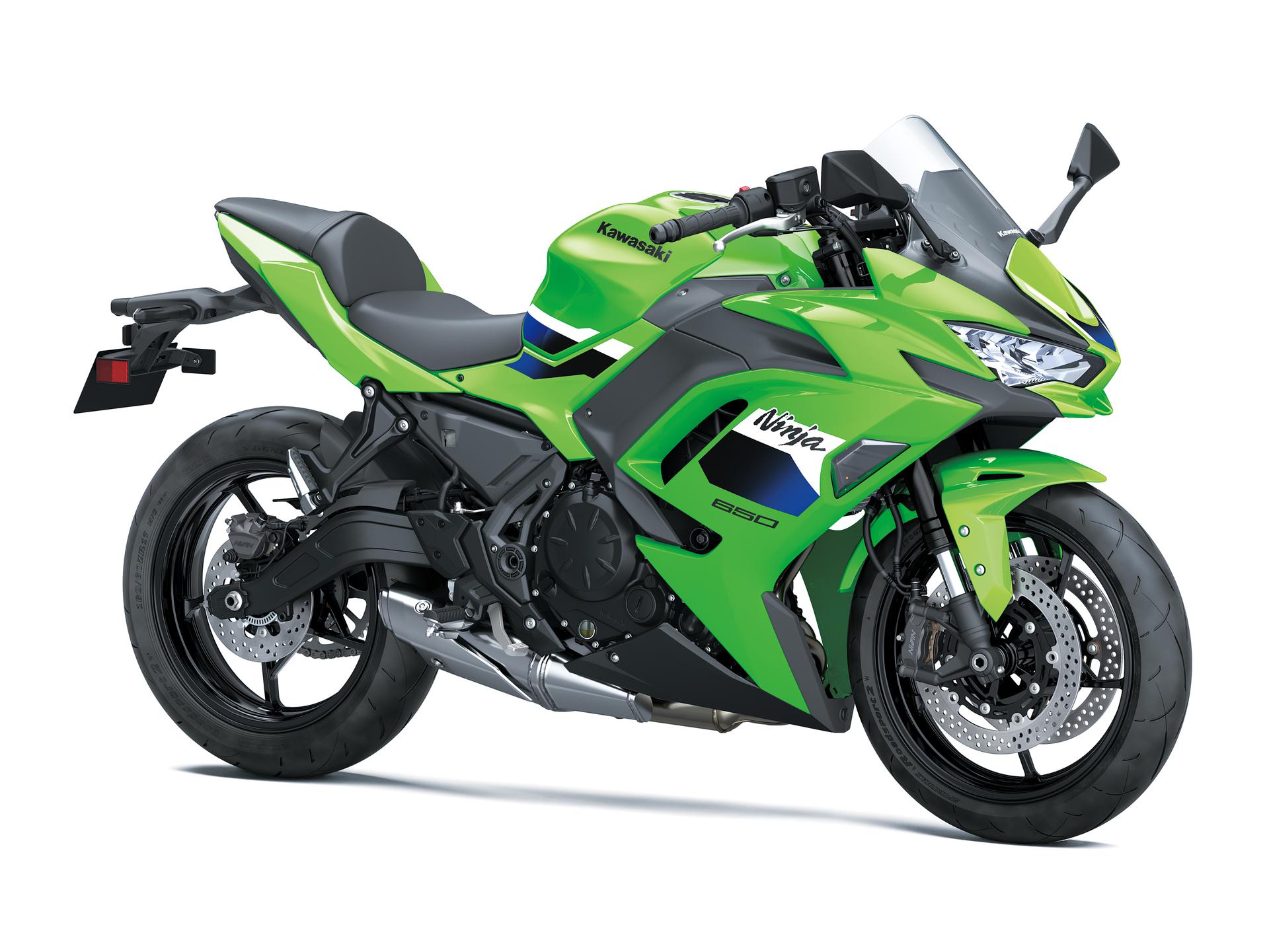
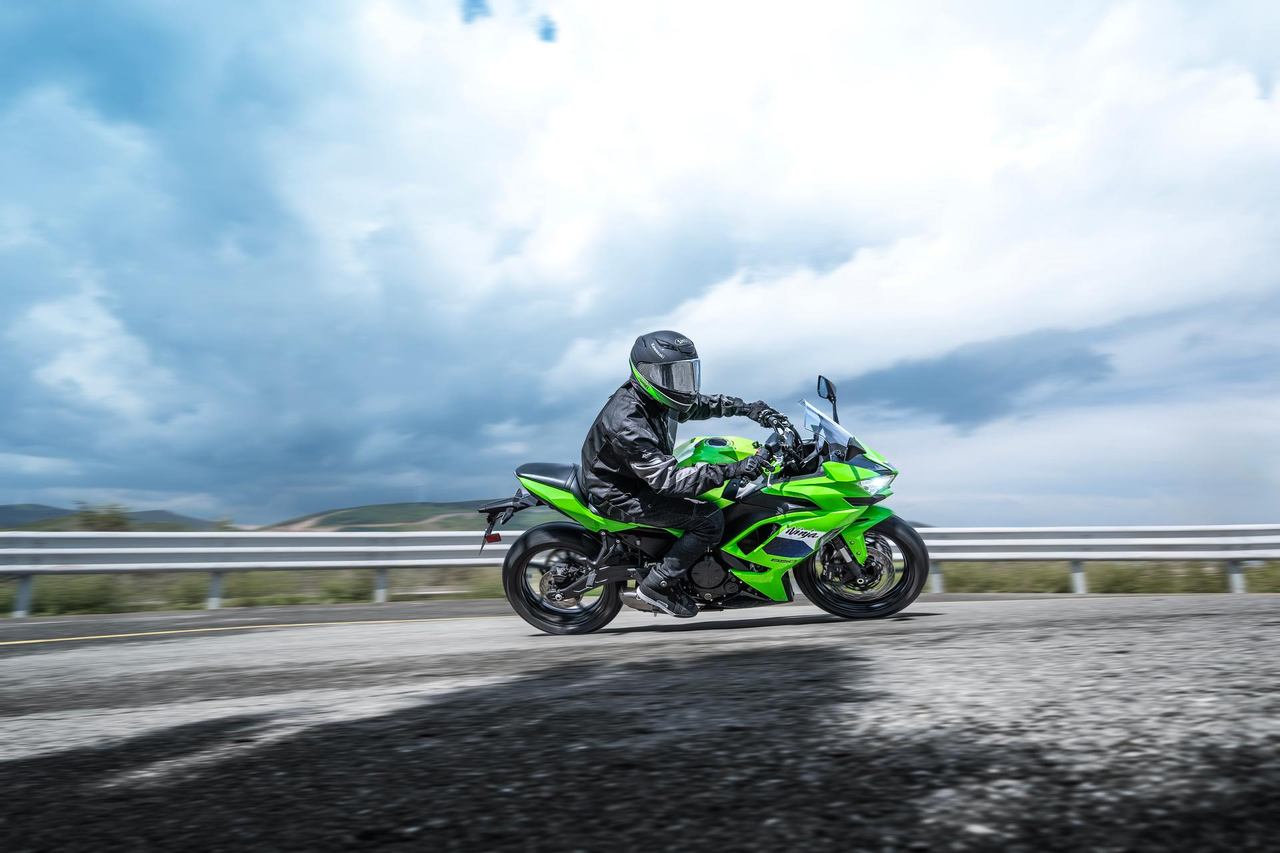
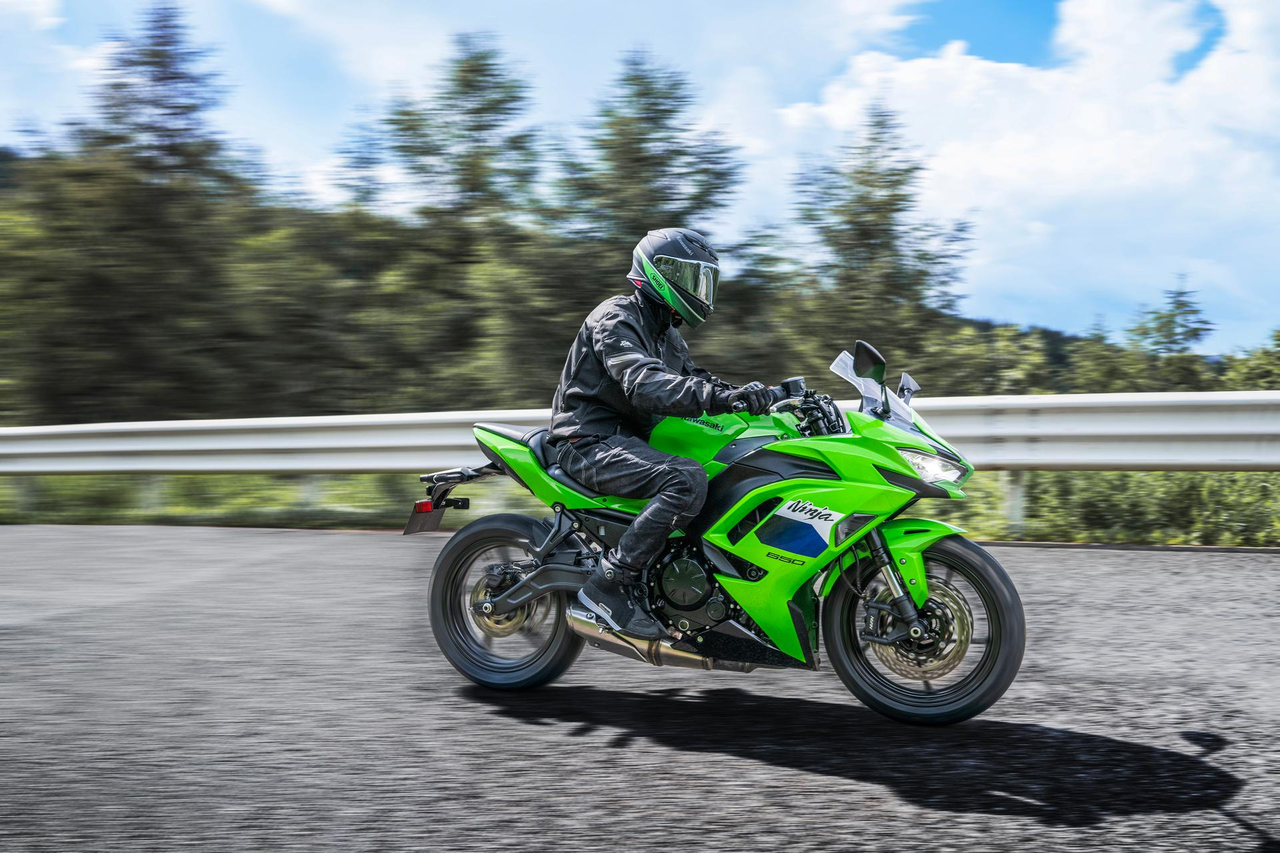
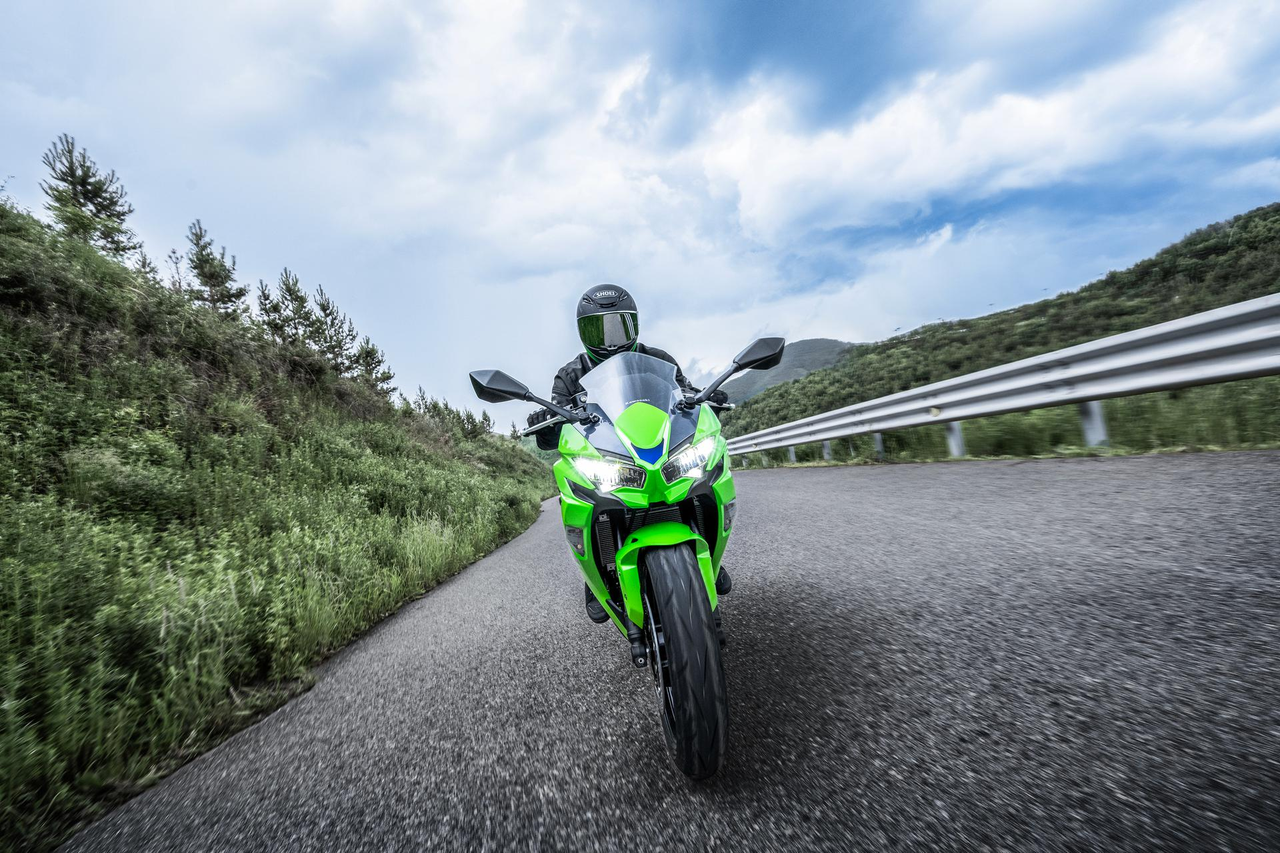
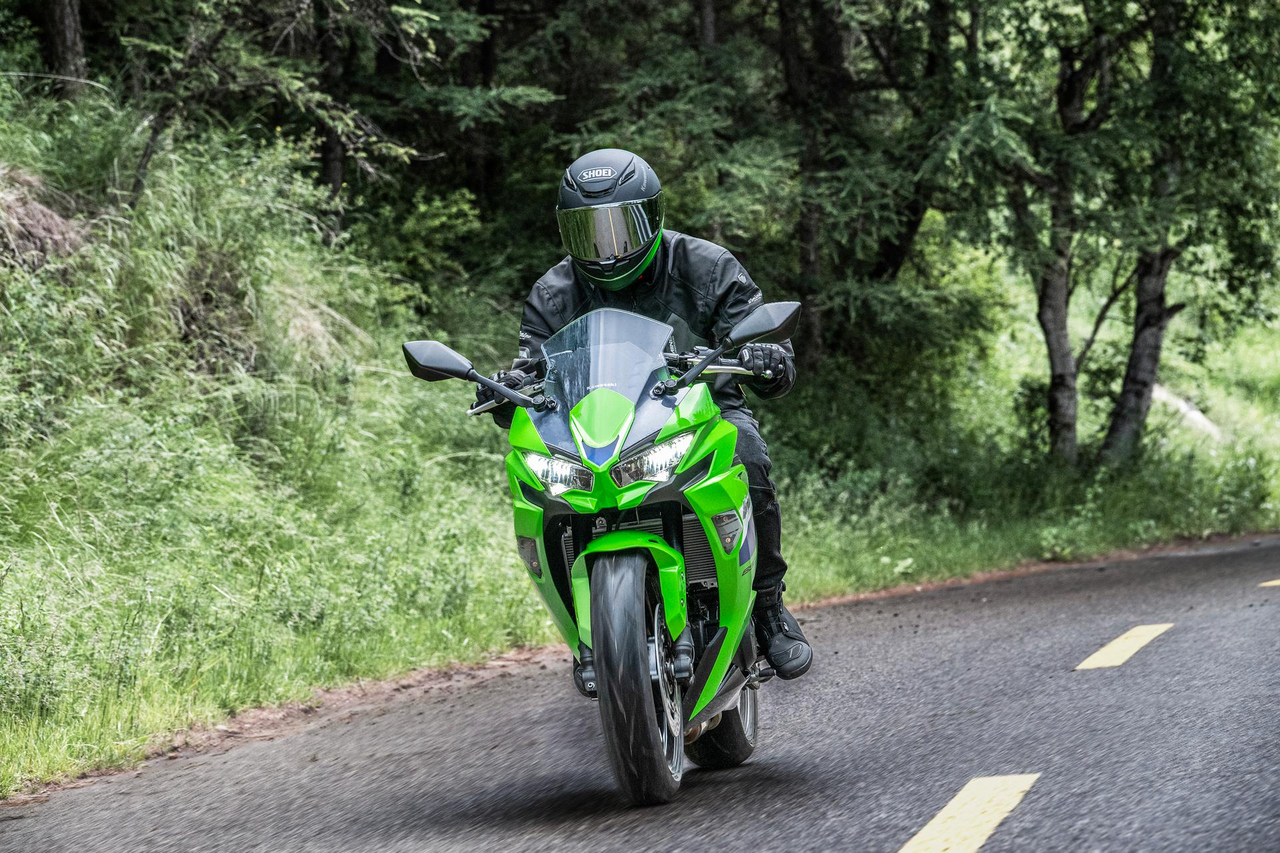
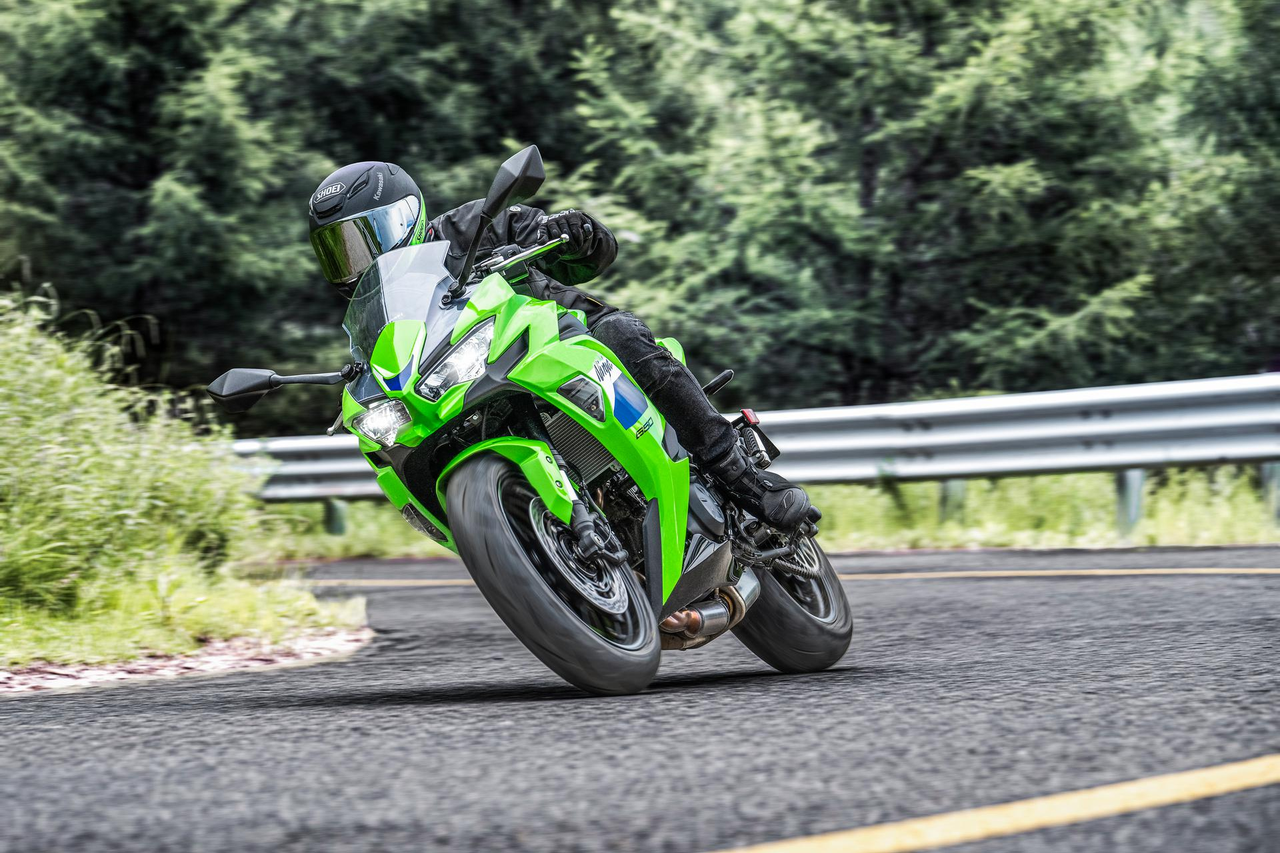
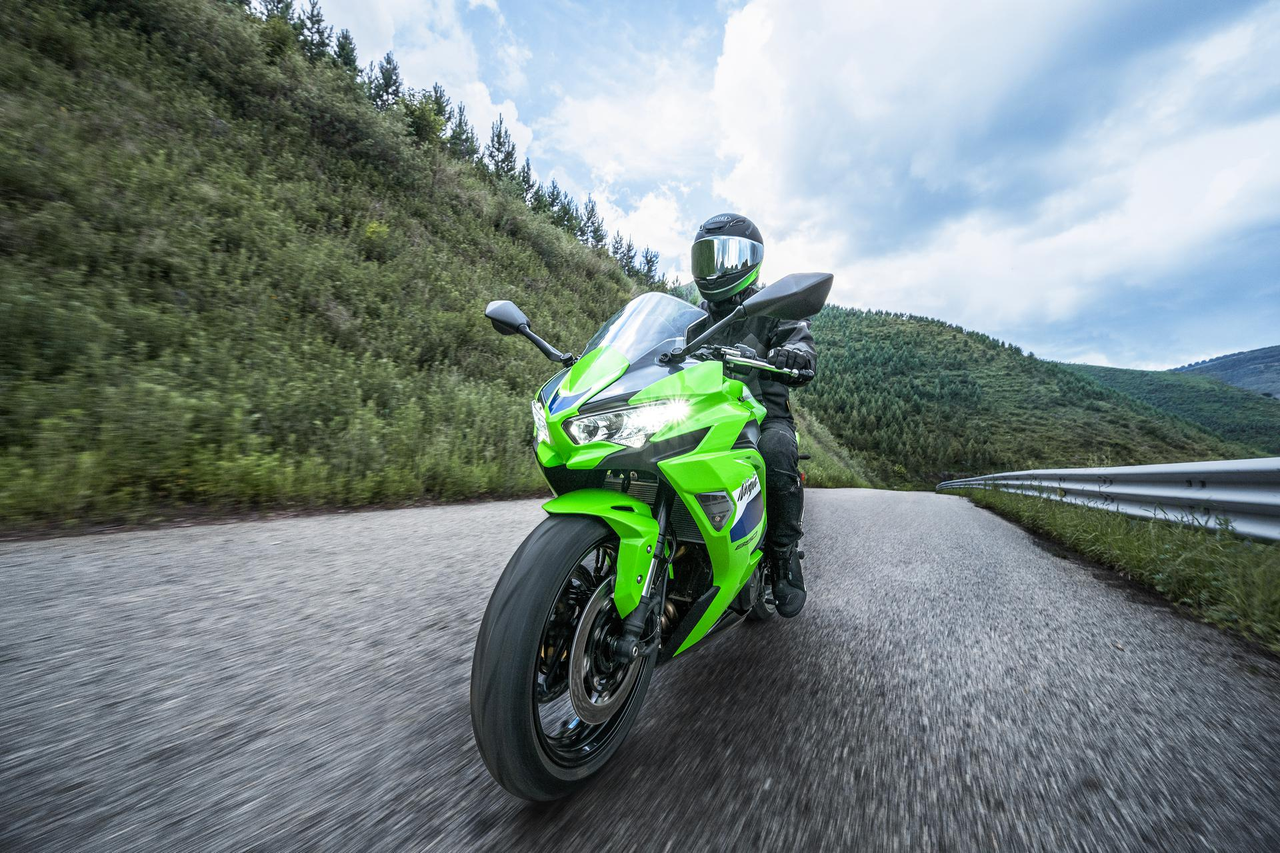
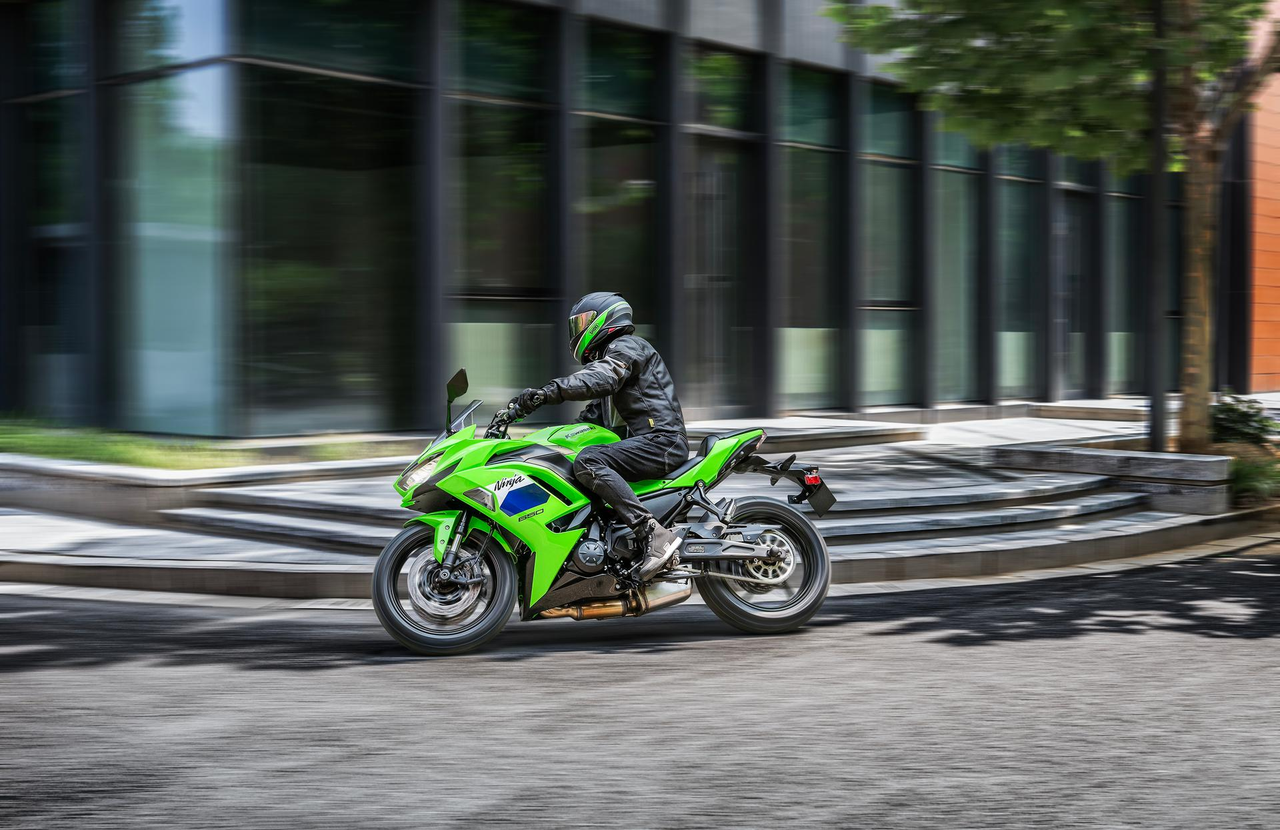
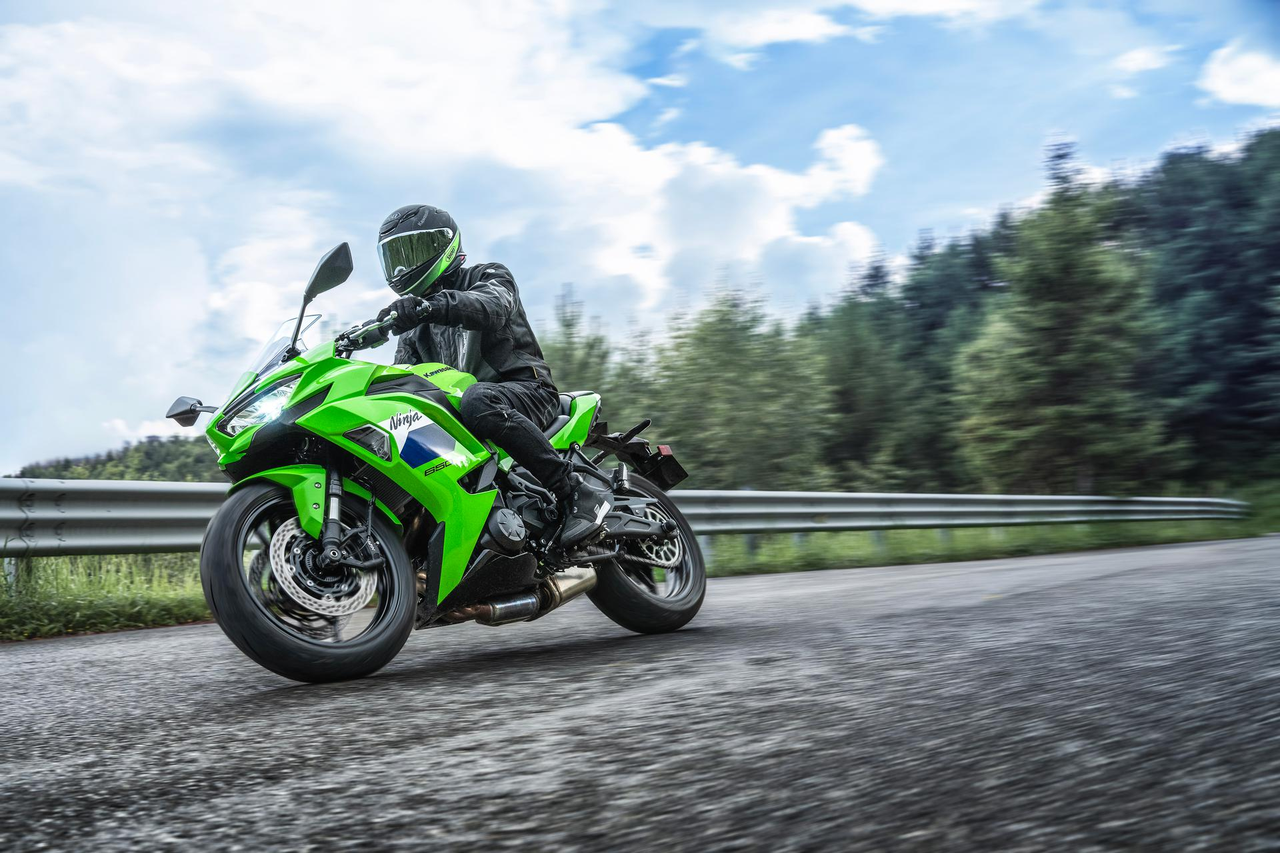
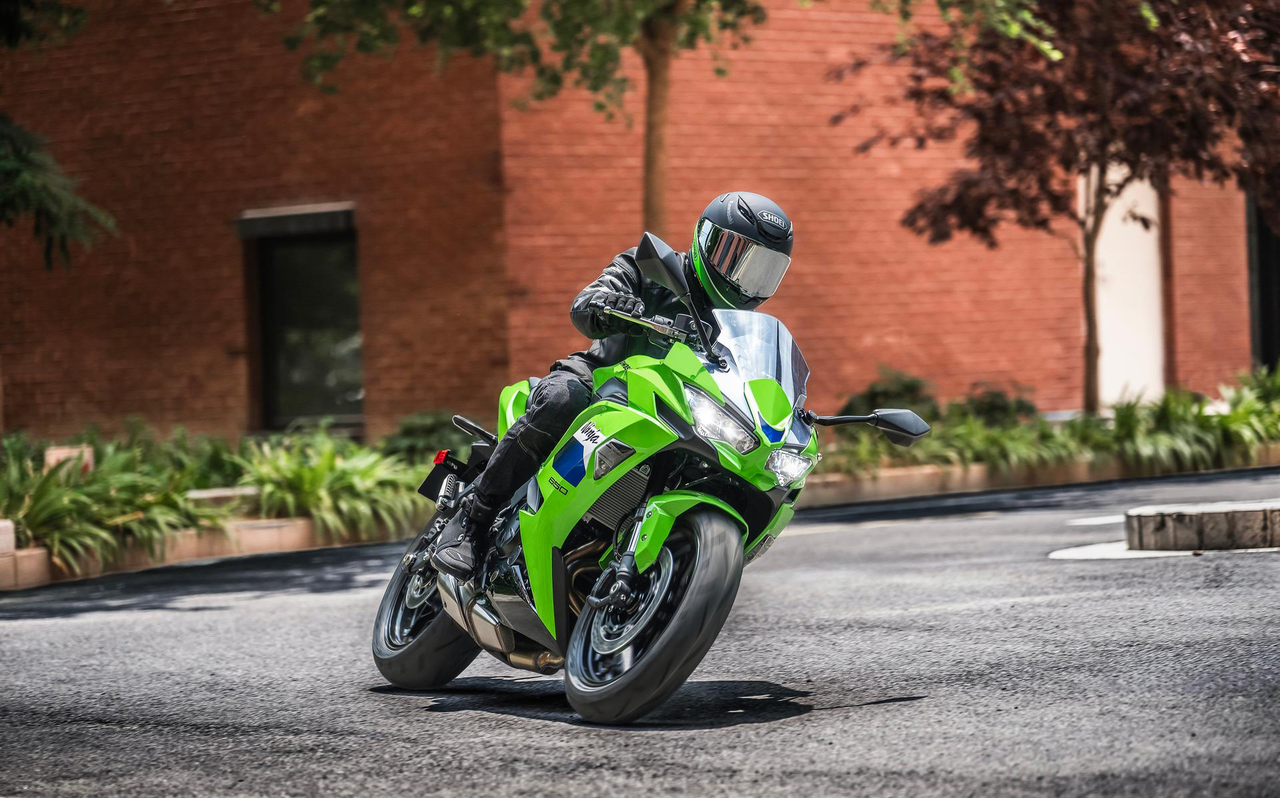
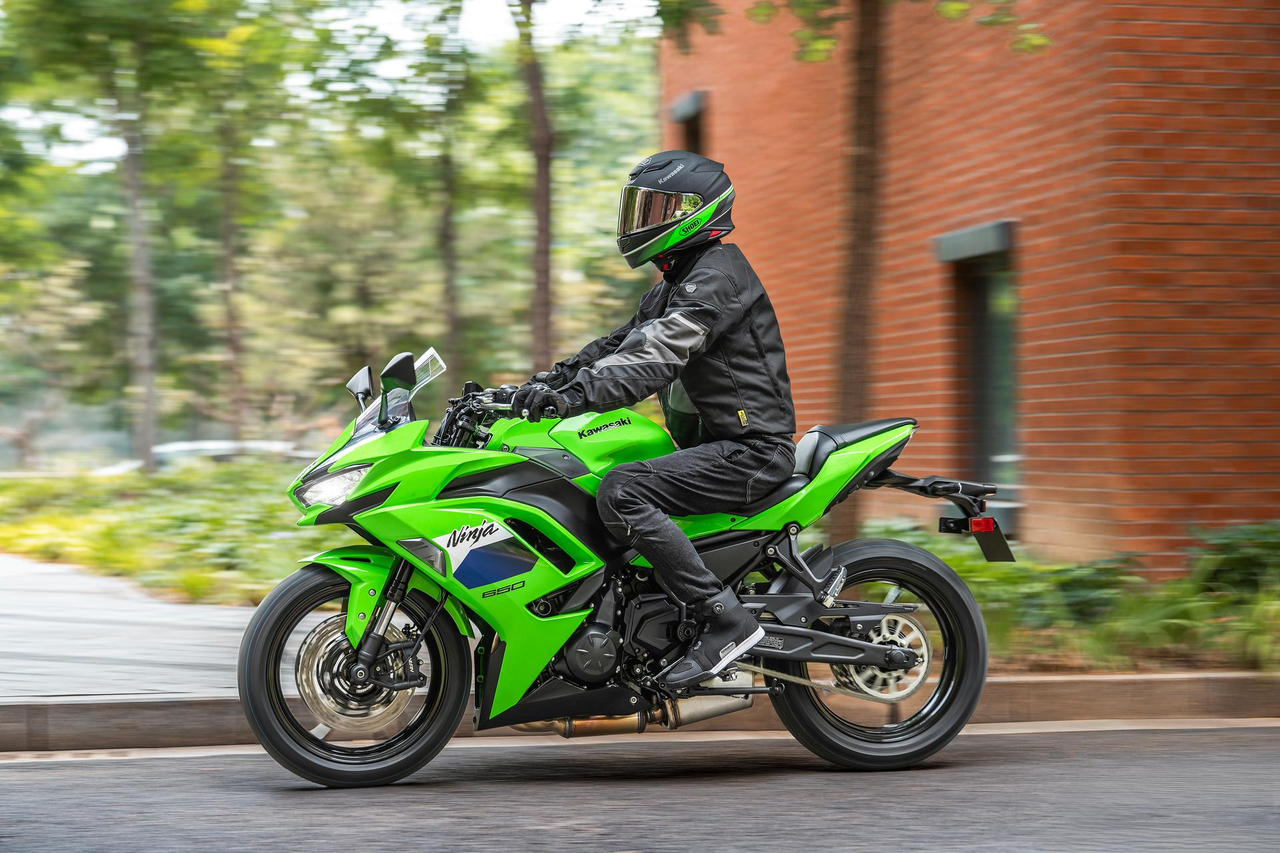
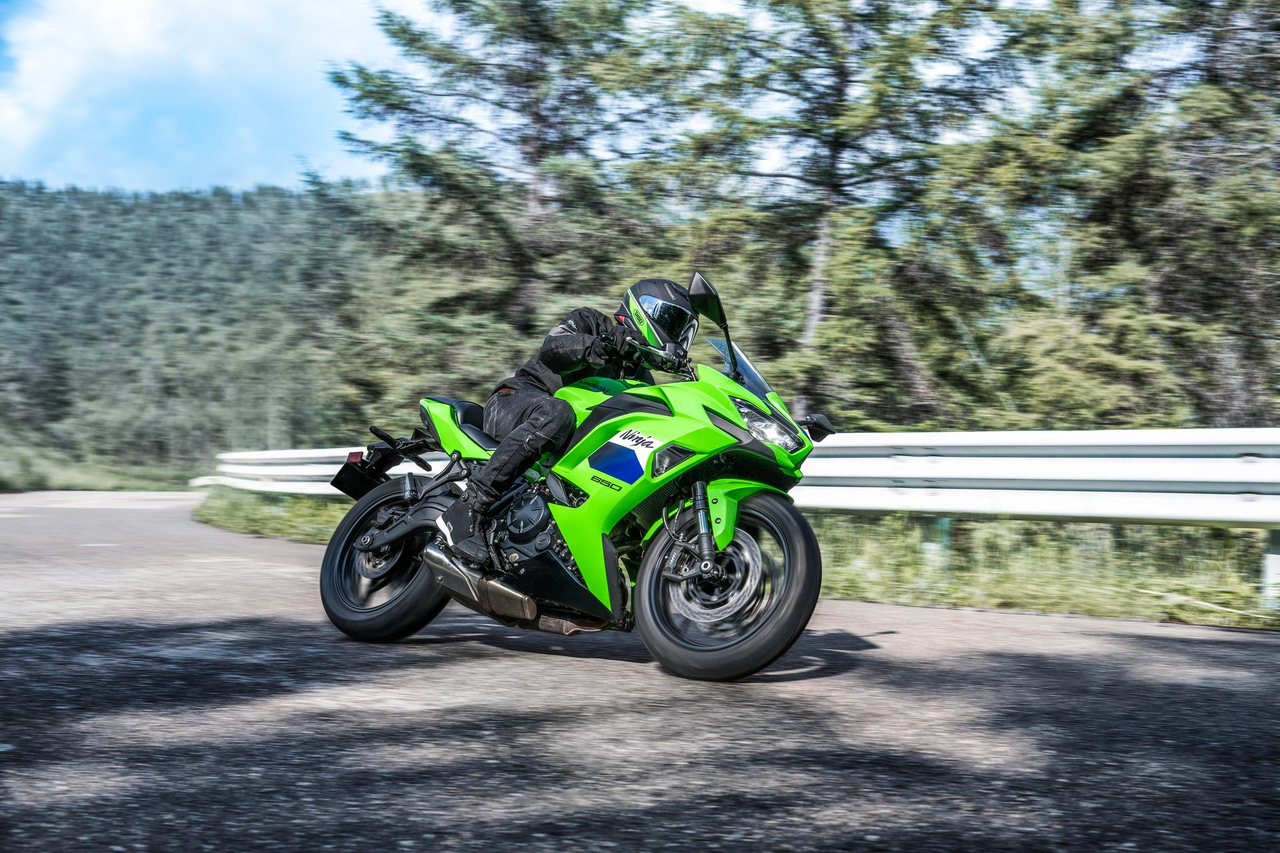
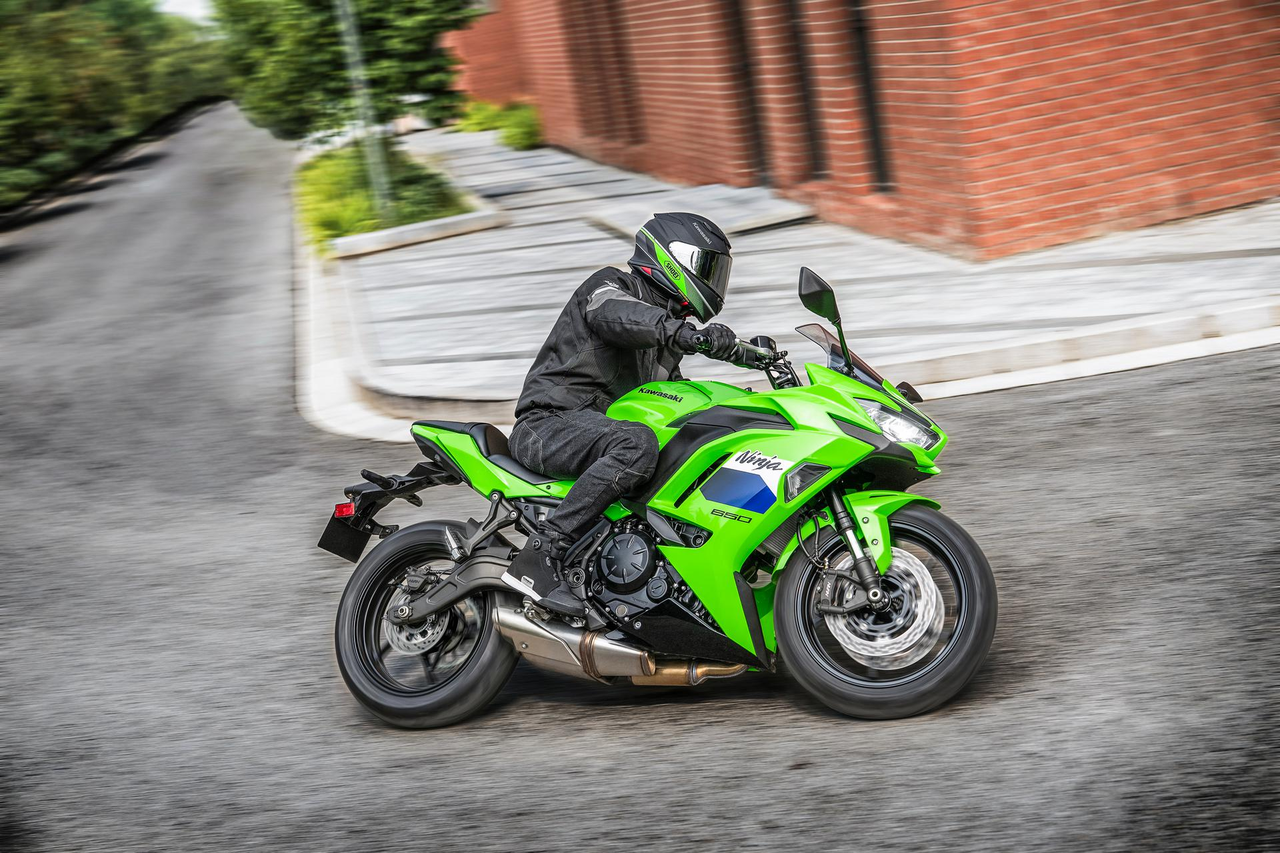
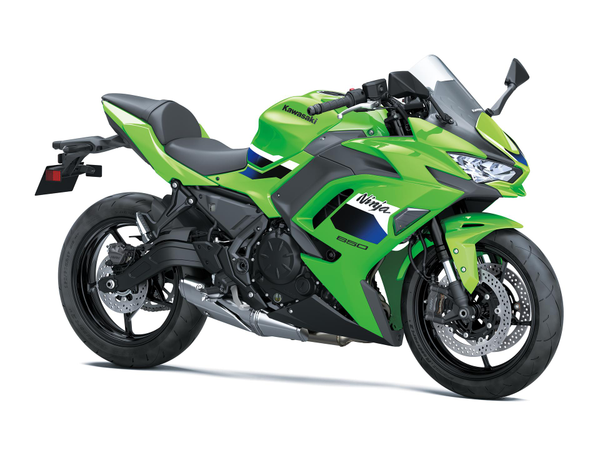
Created to elevate the legendary Ninja experience, the Ninja 650 combines responsive parallel-twin performance, sharp chassis control, and advanced technology in a rider-friendly package.
Upgraded suspension and braking components enhance rider confidence, while comfortable ergonomics ensure an enjoyable ride, from daily commutes to weekend escapes.
Colours
Inpage Navigation Section: Gallery
Inpage Navigation Section: Features & Specs
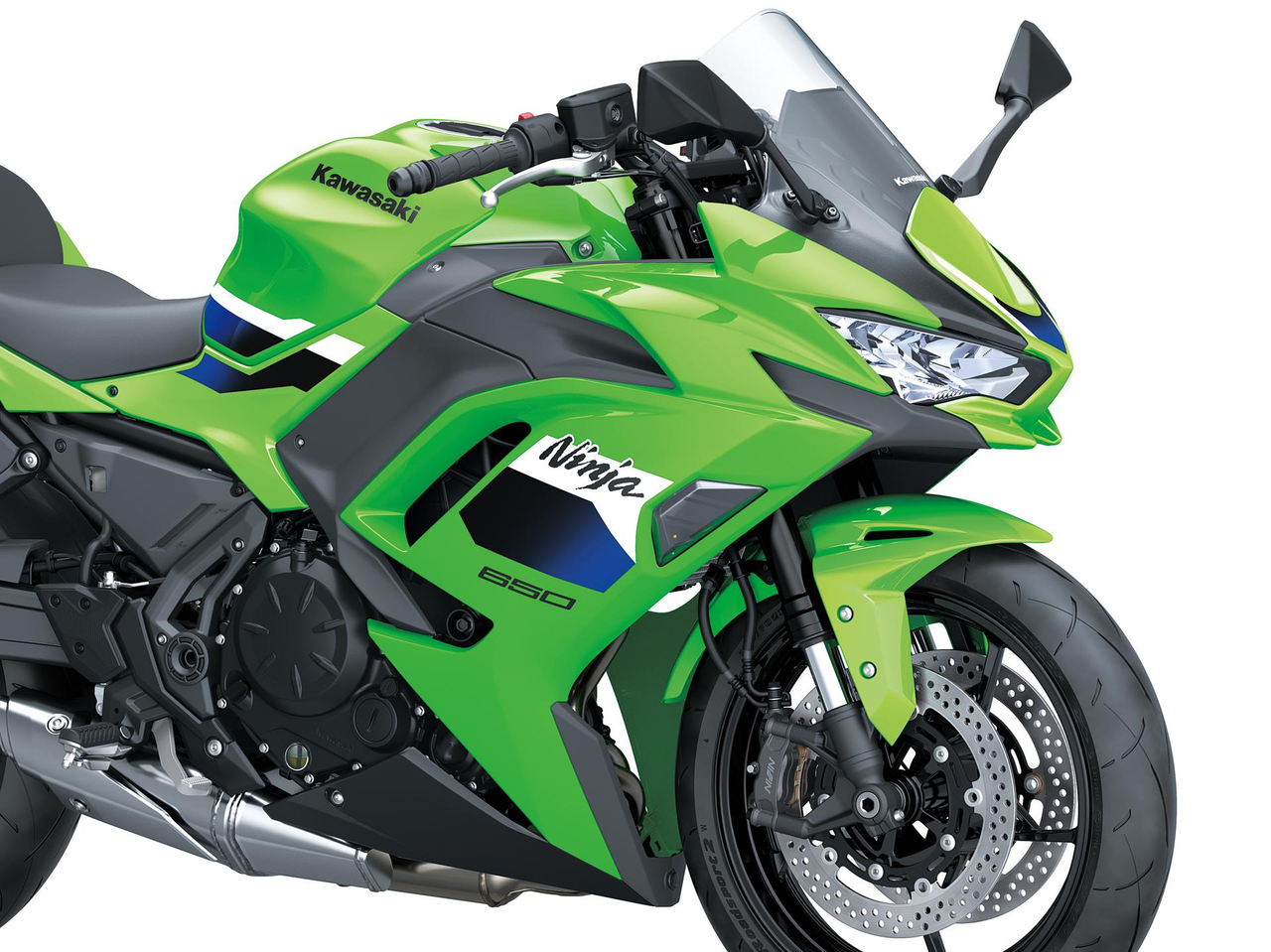
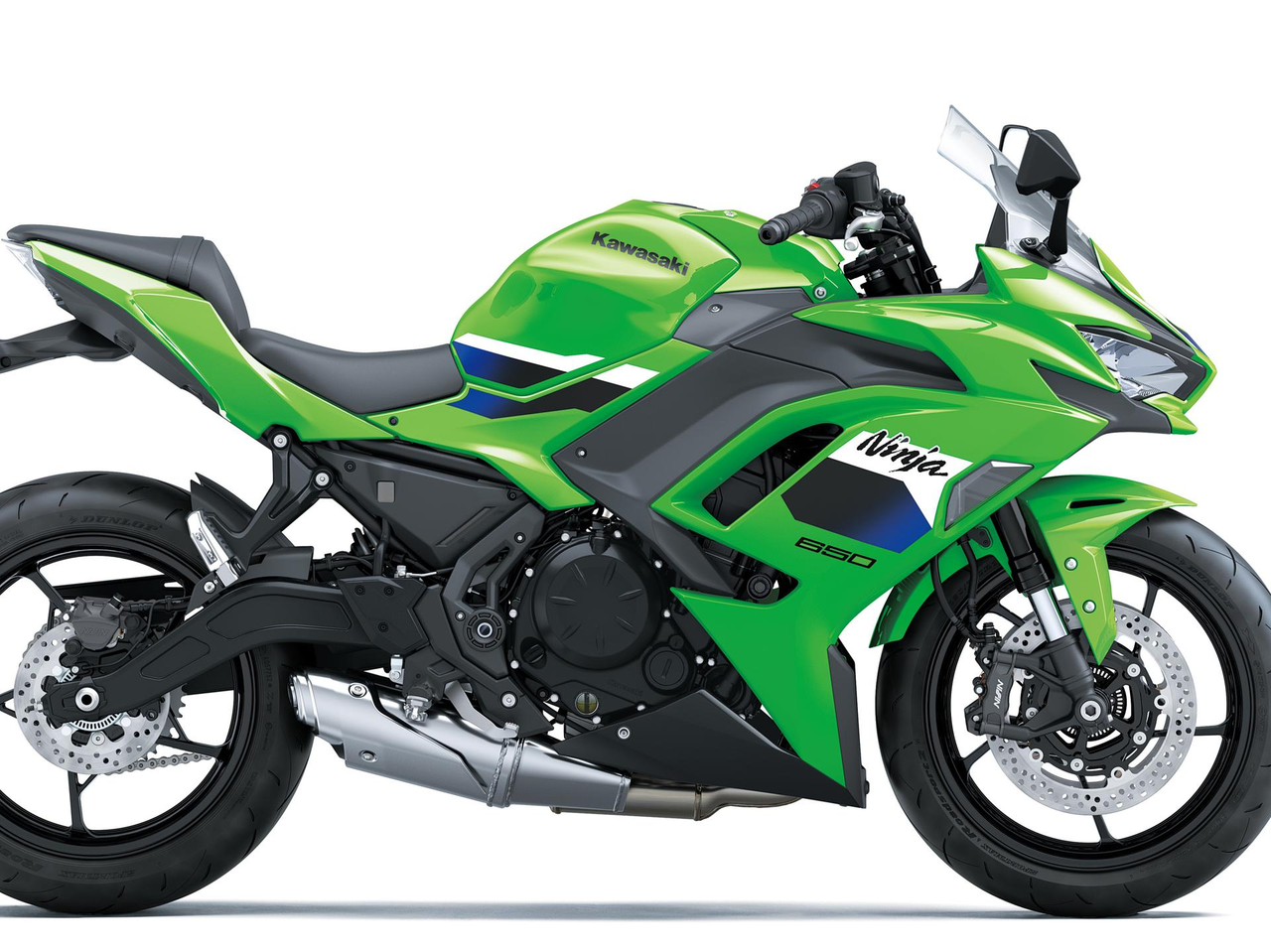
Retaining the rider-friendly character created by its powerful Parallel Twin engine and lightweight, compact trellis frame, the new Ninja 650 benefits from upgraded chassis components. A Showa Ø 37 mm SFF-BP inverted front fork and radial-mount brake calipers contribute to a more planted front-end feel and greater control, allowing a wide range of riders to fully enjoy the rewarding feeling of controlling their machine. At the same time, these high-quality components give the new Ninja 650 a sportier and more premium presence than the previous model.
An upright riding position, low seat height, light weight, and manageable engine character give the new Ninja 650 excellent versatility for everyday riding. Its approachable nature also allows a wide range of riders to enjoy sport riding with confidence, making it a middleweight sport model with broad appeal.
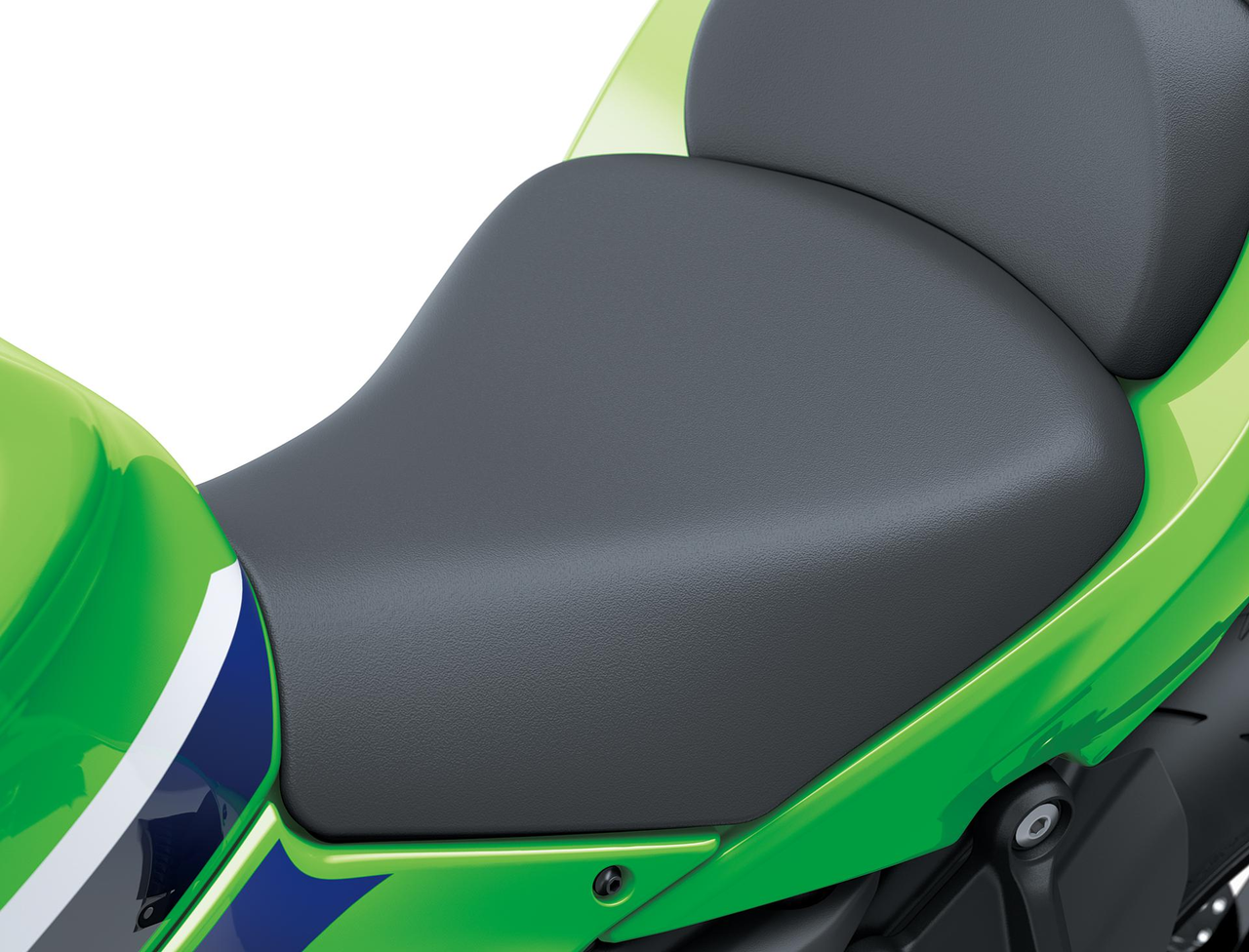
The low 785 mm seat height combined with a slim chassis offers reassuring reach to the ground. This allows a wide range of riders to enjoy riding with confidence.
One of the key components to realising the light weight of the Ninja 650, which is noticeable as soon as the bike is lifted off its side-stand, is a frame weighing only 15 kg. It contributes significantly to the bike’s light, nimble handling.
Kawasaki’s advanced traction control system provides both enhanced sport riding performance and the confidence to negotiate low-traction surfaces. Two rider-selectable modes offer progressively greater levels of intrusion to suit the riding situation and rider preference.
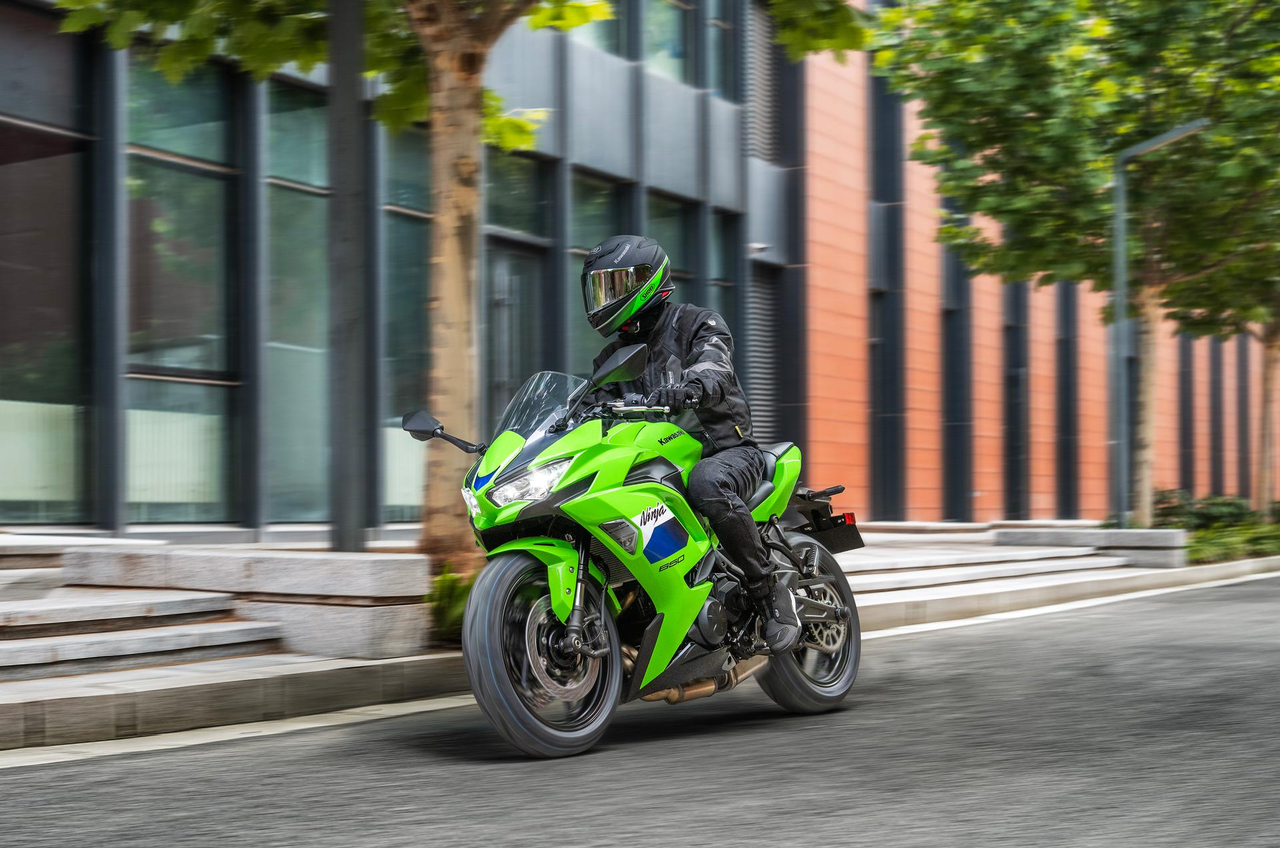
A lightweight, compact engine and lightweight trellis frame contribute to light, natural handling. From city streets to winding roads, the Ninja 650 offers rider friendly manoeuvrability across a wide range of situations. Its light handling also contributes to ease of use in everyday situations such as parking manoeuvres and pushing the bike by hand.
Separate handles contribute to the Ninja 650’s relatively upright position. Designed to both inspire rider confidence and put the rider in the ideal position for control, the comfortable and natural position is suitable for a wide range of riders.
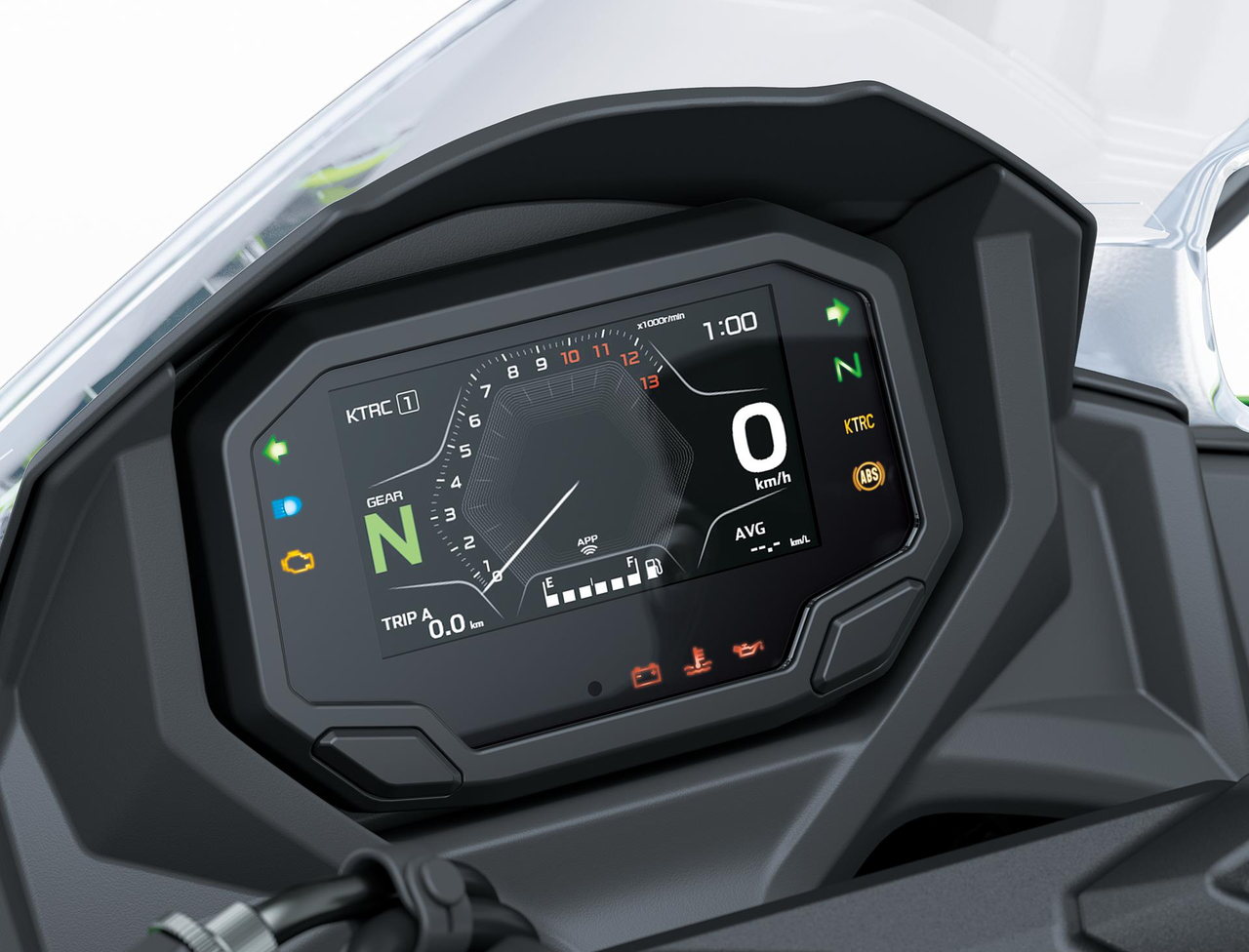
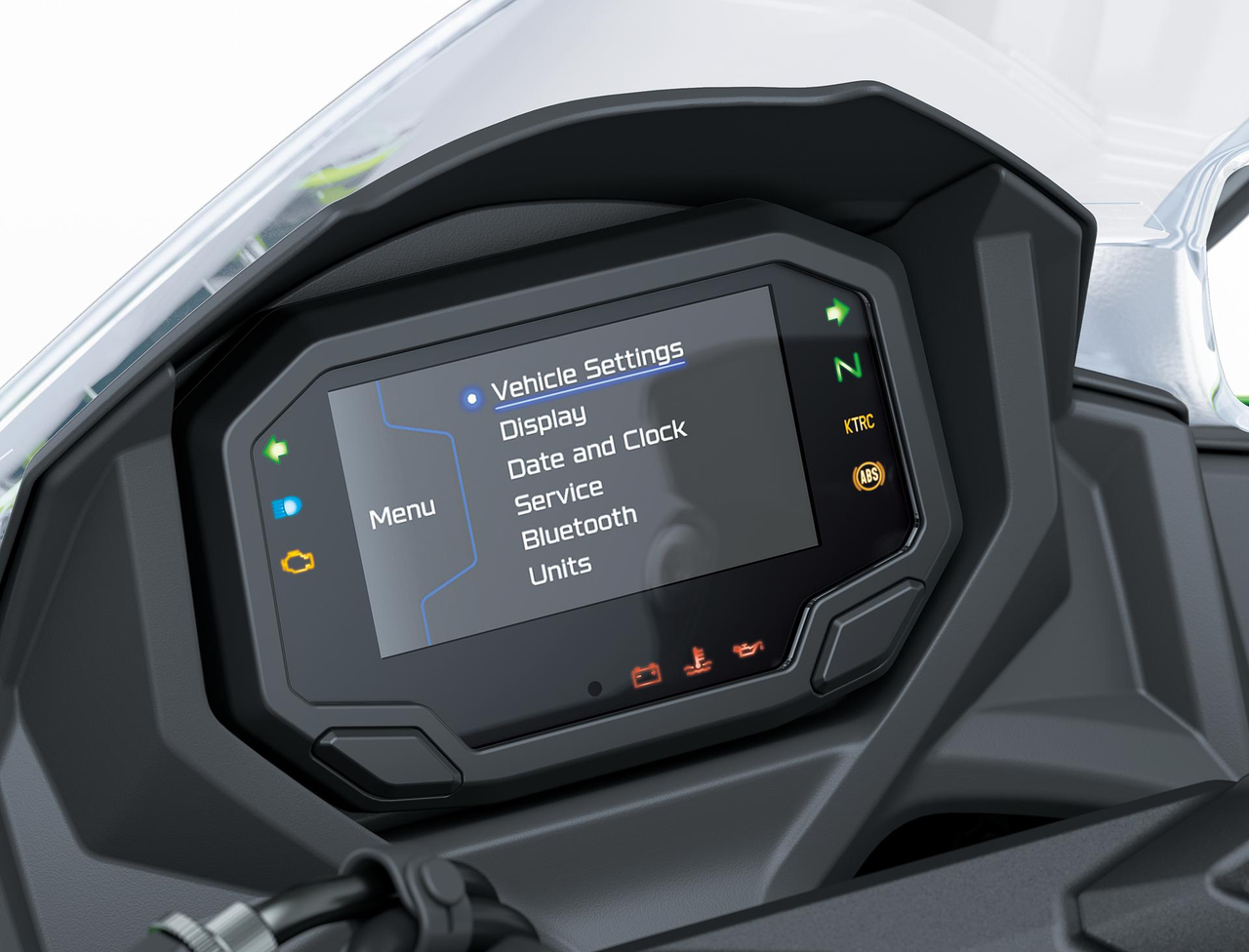
Featuring a new display layout, the 4.3” all-digital TFT colour instrumentation gives the cockpit a high-tech, high-grade appearance while offering excellent visibility across a wide range of riding situations, from everyday riding to sport riding.
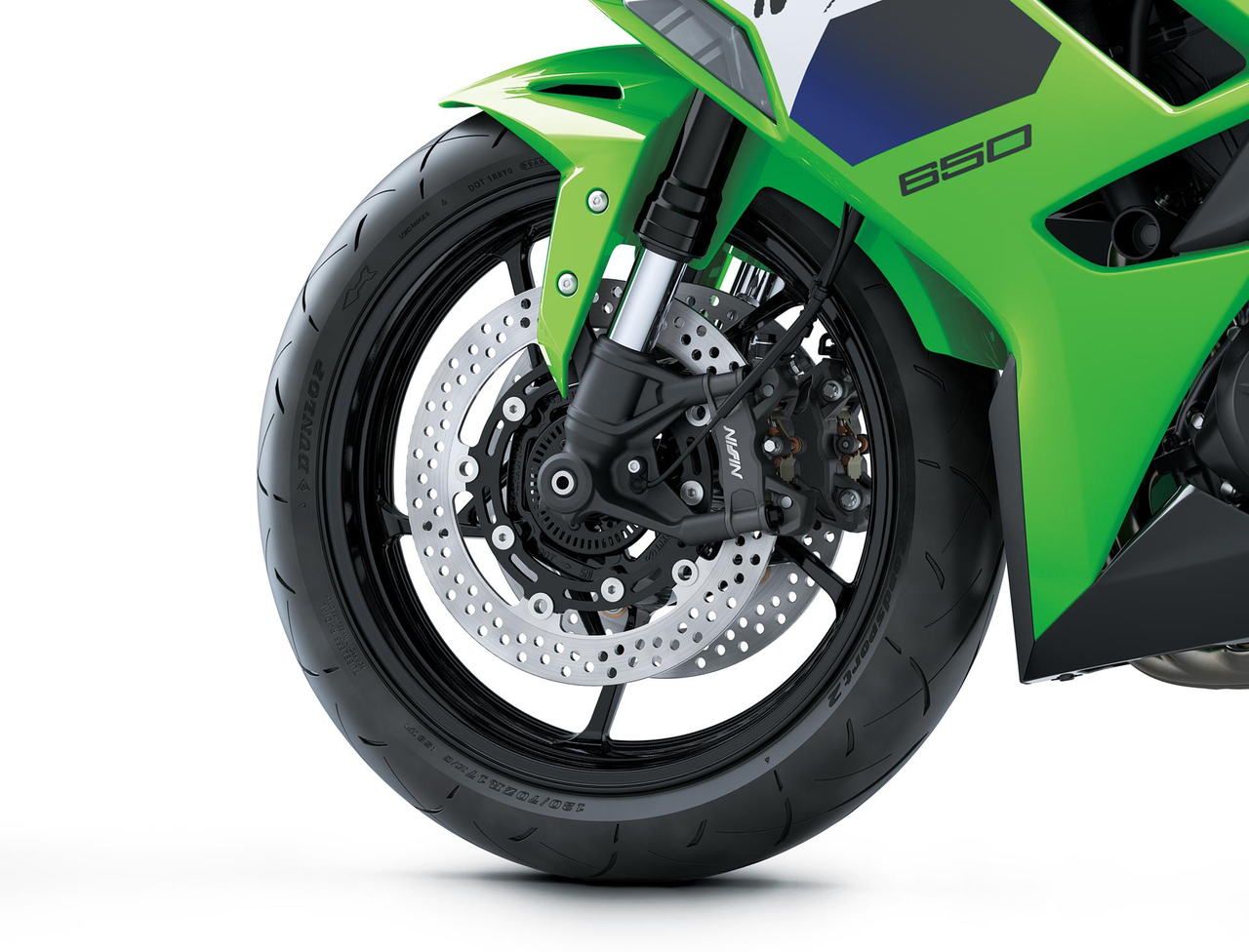
Replacing the telescopic front fork of the previous model, the new Ninja 650 features a Showa Ø 37 mm SFF-BP inverted front fork. While contributing to increased front-end rigidity and improved road-holding performance, settings were carefully chosen to maintain the previous model’s rider-friendly handling character. At the front, radial-mount brake calipers replace the previous axial-mount calipers. Together, these updates deliver a riding feel that enhances the fun of controlling the bike, from city streets to winding roads.
Smartphone connectivity supports a wide range of functions available through RIDEOLOGY THE APP MOTORCYCLE, including vehicle information display and riding log recording, adding convenience and enjoyment to everyday riding. Navigation and voice command† functions were also newly added, further adding to both convenience and riding enjoyment. **Voice command feature requires a separate licence and availability varies by market.**
The 649 cm3 Parallel Twin engine delivers a throttle response with a powerful feeling and a quick-revving character. To optimise performance for everyday riding, care was taken to maximise low-mid range torque, resulting in smooth and strong acceleration from the moment the throttle is opened. The rich torque and natural response also offer a high level of control in situations requiring delicate throttle input.
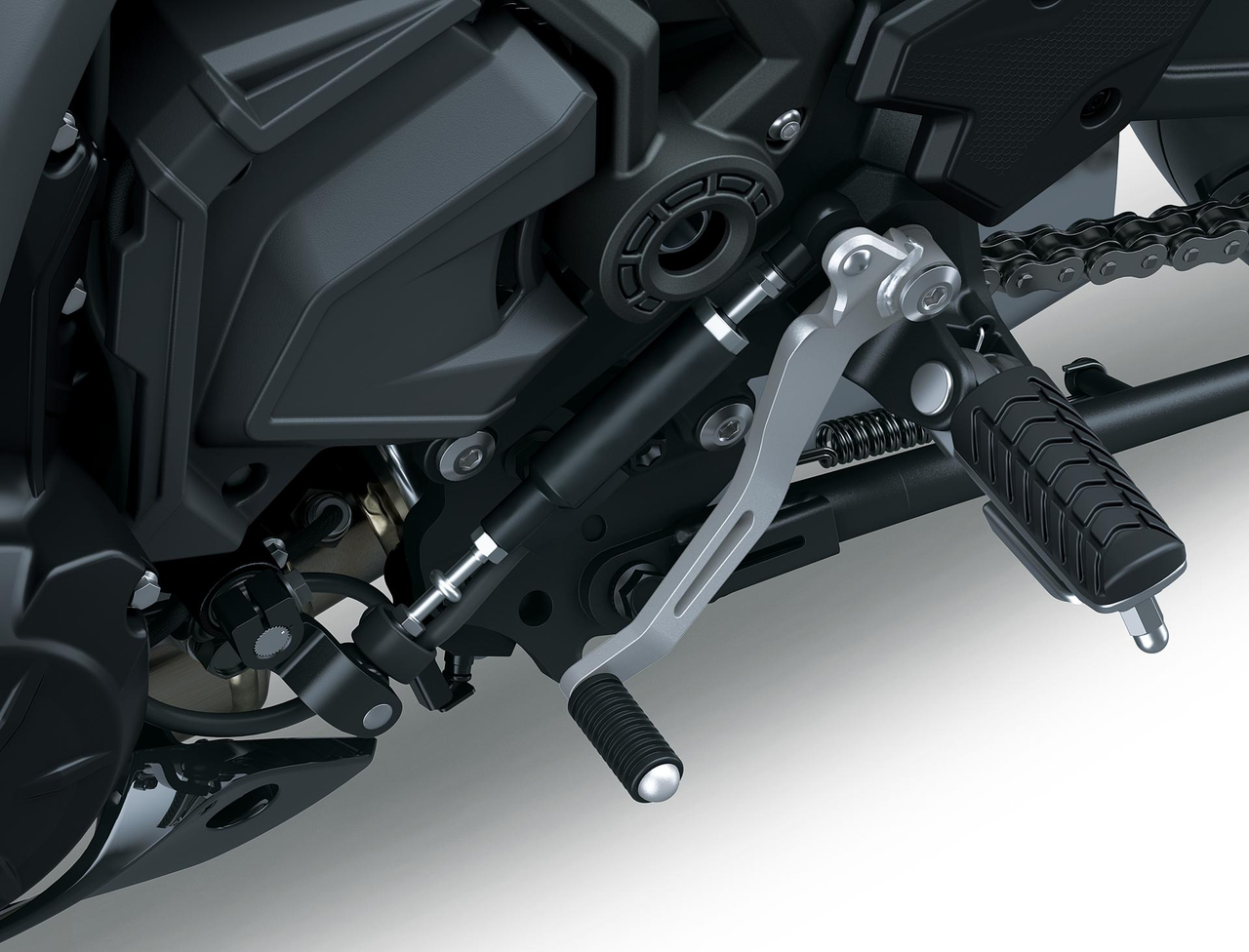
For the first time on the Ninja 650, Kawasaki Quick Shifter (KQS) is available as an accessory. Allowing smooth, clutchless upshifts during acceleration, KQS further enhances the fun of controlling the machine.
Retaining the rider-friendly character created by its powerful Parallel Twin engine and lightweight, compact trellis frame, the new Ninja 650 benefits from upgraded chassis components. A Showa Ø 37 mm SFF-BP inverted front fork and radial-mount brake calipers contribute to a more planted front-end feel and greater control, allowing a wide range of riders to fully enjoy the rewarding feeling of controlling their machine. At the same time, these high-quality components give the new Ninja 650 a sportier and more premium presence than the previous model.
An upright riding position, low seat height, light weight, and manageable engine character give the new Ninja 650 excellent versatility for everyday riding. Its approachable nature also allows a wide range of riders to enjoy sport riding with confidence, making it a middleweight sport model with broad appeal.
The low 785 mm seat height combined with a slim chassis offers reassuring reach to the ground. This allows a wide range of riders to enjoy riding with confidence.
One of the key components to realising the light weight of the Ninja 650, which is noticeable as soon as the bike is lifted off its side-stand, is a frame weighing only 15 kg. It contributes significantly to the bike’s light, nimble handling.
Kawasaki’s advanced traction control system provides both enhanced sport riding performance and the confidence to negotiate low-traction surfaces. Two rider-selectable modes offer progressively greater levels of intrusion to suit the riding situation and rider preference.
A lightweight, compact engine and lightweight trellis frame contribute to light, natural handling. From city streets to winding roads, the Ninja 650 offers rider friendly manoeuvrability across a wide range of situations. Its light handling also contributes to ease of use in everyday situations such as parking manoeuvres and pushing the bike by hand.
Separate handles contribute to the Ninja 650’s relatively upright position. Designed to both inspire rider confidence and put the rider in the ideal position for control, the comfortable and natural position is suitable for a wide range of riders.
Featuring a new display layout, the 4.3” all-digital TFT colour instrumentation gives the cockpit a high-tech, high-grade appearance while offering excellent visibility across a wide range of riding situations, from everyday riding to sport riding.
Replacing the telescopic front fork of the previous model, the new Ninja 650 features a Showa Ø 37 mm SFF-BP inverted front fork. While contributing to increased front-end rigidity and improved road-holding performance, settings were carefully chosen to maintain the previous model’s rider-friendly handling character. At the front, radial-mount brake calipers replace the previous axial-mount calipers. Together, these updates deliver a riding feel that enhances the fun of controlling the bike, from city streets to winding roads.
Smartphone connectivity supports a wide range of functions available through RIDEOLOGY THE APP MOTORCYCLE, including vehicle information display and riding log recording, adding convenience and enjoyment to everyday riding. Navigation and voice command† functions were also newly added, further adding to both convenience and riding enjoyment. **Voice command feature requires a separate licence and availability varies by market.**
The 649 cm3 Parallel Twin engine delivers a throttle response with a powerful feeling and a quick-revving character. To optimise performance for everyday riding, care was taken to maximise low-mid range torque, resulting in smooth and strong acceleration from the moment the throttle is opened. The rich torque and natural response also offer a high level of control in situations requiring delicate throttle input.
For the first time on the Ninja 650, Kawasaki Quick Shifter (KQS) is available as an accessory. Allowing smooth, clutchless upshifts during acceleration, KQS further enhances the fun of controlling the machine.
Kawasaki's advanced traction control system provides both enhanced sport riding performance and the peace of mind under certain conditions to negotiate low-traction surfaces with confidence. Two modes allow riders to adjust settings to suit the riding situation and rider preference. Riders may also elect to turn the system OFF. For 35 kW kit models, KTRC offers one mode (plus OFF).
Based on racing technology, the Assist & Slipper Clutch acts as both a back-torque limiter and a self-servo mechanism that enables a lighter clutch lever pull.
Based on feedback from racing activities, the Assist & Slipper Clutch uses two types of cams (an assist cam and a slipper cam) to either drive the clutch hub and operating plate together or apart. Under normal operation, the assist cam functions as a self-servo mechanism, pulling the clutch hub and operating plate together to compress the clutch plates. This allows the total clutch spring load to be reduced, resulting in a lighter clutch lever feel when operating the clutch. When excessive engine braking occurs as a result of quick downshifts (or an accidental downshift) the slipper cam comes into play, forcing the clutch hub and operating plate apart. This relieves pressure on the clutch plates to reduce back-torque and helps prevent the rear tyre from hopping and skidding. This race-style function is particularly useful when sport or track riding.
Dual Throttle Valves offer increased power and greater ease of use care of a second set of ECU-controlled throttle valves.
Late-model sport bikes often use large-bore throttle bodies to generate high levels of power. However, with large diameter throttles, when a rider suddenly opens the throttle, the unrestricted torque response can be strong. Dual throttle valve technology was designed to tame engine response while contributing to performance.
On models with dual throttle valves, there are two throttle valves per cylinder: in addition to the main valves, which are physically linked to the throttle grip and controlled by the rider, a second set of valves, opened and closed by the ECU, precisely regulates intake airflow to ensure a natural, linear response. With the air passing through the throttle bodies becoming smoother, combustion efficiency in improved and power is increased.
Smartphone connectivity contributes to an enhanced motorcycling experience by enabling riders to connect to their motorcycle wirelessly.
Clever technology enables riders to connect to their motorcycle wirelessly. Using the smartphone application RIDEOLOGY THE APP a number of instrument functions can be accessed, contributing to an enhanced motorcycling experience. Vehicle information (such as the odometer, fuel gauge, maintenance schedule, etc) can be viewed on the smartphone. Riding logs (varies by model, but may include GPS route, gear position, rpm, and other information) can be viewed on the smartphone. When connected, telephone (call, mail) notices are displayed on the instrument panel. Riders can also make changes to their motorcycle instrument display settings (preferred units, clock and date setting, etc) via the smartphone. And on certain models, it is even possible to check and adjust vehicle settings (such as Rider Mode, electronic rider support features, and payload settings) using the smartphone.
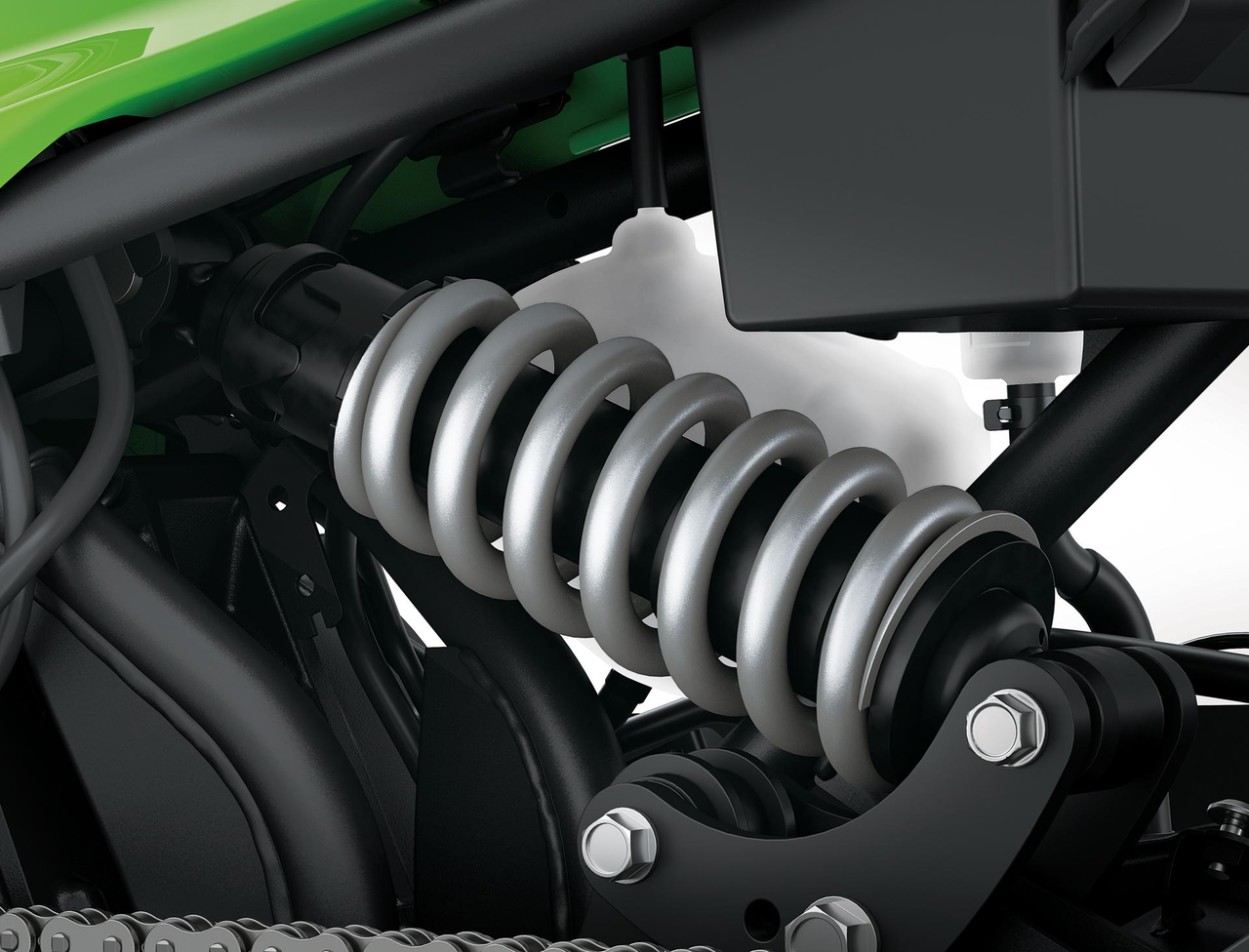
Horizontal Back-link Rear Suspension arranges its shock unit horizontally, greatly contributing to efficient use of space and mass centralisation.
Compared to Kawasaki's traditional Uni-Trak rear suspension, which mounts the shock unit vertically, with Horizontal Back-link rear suspension, the shock unit is almost horizontal. Kawasaki's original suspension arrangement locates the shock unit very close to the bike's centre of gravity, greatly contributing to mass centralisation. And because there is no linkage or shock unit protruding beneath the swingarm, this frees up space for a larger exhaust pre-chamber (an exhaust expansion chamber situated just upstream of the silencer). With a larger pre-chamber, silencer volume can be reduced, and heavy exhaust components can be concentrated closer to the centre of the bike, further contributing to mass centralisation. The result is greatly improved handling. Another benefit is that the shock unit is placed far away from exhaust heat. Because it is more difficult for heat from the exhaust system to adversely affect suspension oil and gas pressure, suspension performance is more stable. Horizontal Back-link rear suspension offers numerous secondary benefits like this.
The Economical Riding Indicator is a mark appearing on the instrument panel to indicate favourable fuel consumption, encouraging fuel efficient riding.
Using high-precision electronic control for engine management, Kawasaki models can achieve a high level of fuel efficiency. However, fuel consumption is greatly affected by throttle use, gear selection, and other elements under the rider's control.
The Economical Riding Indicator is a function that indicates when current riding conditions are consuming a low amount of fuel. The system continuously monitors fuel consumption, regardless of vehicle speed, engine speed, throttle position and other riding conditions. When fuel consumption is low for a given speed (i.e. fuel efficiency is high), an "ECO" mark appears on the instrument panel's LCD screen. By riding so that the "ECO" mark remains on, fuel consumption can be reduced.
While effective vehicle speed and engine speed may vary by model, paying attention to conditions that cause the "ECO" mark to appear can help riders improve their fuel efficiency – a handy way to increase cruising range. Further, keeping fuel consumption low also helps minimise negative impact on the environment.
ABS (Anti-lock Brake System) ensures stable braking performance by preventing wheel lock during braking.
Sudden over-application of the brakes, or braking on low-grip surfaces (surfaces with a low coefficient of friction) such as wet asphalt or manhole covers may cause a motorcycle's wheel(s) to lock up and slip. ABS was developed to prevent such incidents. Kawasaki ABS systems are controlled by high precision and highly reliable programming formulated based on thorough testing of numerous riding situations. By ensuring stable braking performance, they offer rider reassurance that contributes to greater riding enjoyment. And to meet the special requirements of certain riders, specialised ABS systems are also available. For example, KIBS (Kawasaki Intelligent anti-lock Brake System) is a high-precision brake system designed specifically for supersport models, enabling sport riding to be enjoyed by a wider range of riders. And by linking the front and rear brakes, K-ACT (Kawasaki Advanced Coactive-braking Technology) ABS provides the confidence to enjoy touring on heavyweight models. Kawasaki is continually working on the development of other advanced ABS systems.
Kawasaki's advanced traction control system provides both enhanced sport riding performance and the peace of mind under certain conditions to negotiate low-traction surfaces with confidence. Two modes allow riders to adjust settings to suit the riding situation and rider preference. Riders may also elect to turn the system OFF. For 35 kW kit models, KTRC offers one mode (plus OFF).
Based on racing technology, the Assist & Slipper Clutch acts as both a back-torque limiter and a self-servo mechanism that enables a lighter clutch lever pull.
Based on feedback from racing activities, the Assist & Slipper Clutch uses two types of cams (an assist cam and a slipper cam) to either drive the clutch hub and operating plate together or apart. Under normal operation, the assist cam functions as a self-servo mechanism, pulling the clutch hub and operating plate together to compress the clutch plates. This allows the total clutch spring load to be reduced, resulting in a lighter clutch lever feel when operating the clutch. When excessive engine braking occurs as a result of quick downshifts (or an accidental downshift) the slipper cam comes into play, forcing the clutch hub and operating plate apart. This relieves pressure on the clutch plates to reduce back-torque and helps prevent the rear tyre from hopping and skidding. This race-style function is particularly useful when sport or track riding.
Dual Throttle Valves offer increased power and greater ease of use care of a second set of ECU-controlled throttle valves.
Late-model sport bikes often use large-bore throttle bodies to generate high levels of power. However, with large diameter throttles, when a rider suddenly opens the throttle, the unrestricted torque response can be strong. Dual throttle valve technology was designed to tame engine response while contributing to performance.
On models with dual throttle valves, there are two throttle valves per cylinder: in addition to the main valves, which are physically linked to the throttle grip and controlled by the rider, a second set of valves, opened and closed by the ECU, precisely regulates intake airflow to ensure a natural, linear response. With the air passing through the throttle bodies becoming smoother, combustion efficiency in improved and power is increased.
Smartphone connectivity contributes to an enhanced motorcycling experience by enabling riders to connect to their motorcycle wirelessly.
Clever technology enables riders to connect to their motorcycle wirelessly. Using the smartphone application RIDEOLOGY THE APP a number of instrument functions can be accessed, contributing to an enhanced motorcycling experience. Vehicle information (such as the odometer, fuel gauge, maintenance schedule, etc) can be viewed on the smartphone. Riding logs (varies by model, but may include GPS route, gear position, rpm, and other information) can be viewed on the smartphone. When connected, telephone (call, mail) notices are displayed on the instrument panel. Riders can also make changes to their motorcycle instrument display settings (preferred units, clock and date setting, etc) via the smartphone. And on certain models, it is even possible to check and adjust vehicle settings (such as Rider Mode, electronic rider support features, and payload settings) using the smartphone.
Horizontal Back-link Rear Suspension arranges its shock unit horizontally, greatly contributing to efficient use of space and mass centralisation.
Compared to Kawasaki's traditional Uni-Trak rear suspension, which mounts the shock unit vertically, with Horizontal Back-link rear suspension, the shock unit is almost horizontal. Kawasaki's original suspension arrangement locates the shock unit very close to the bike's centre of gravity, greatly contributing to mass centralisation. And because there is no linkage or shock unit protruding beneath the swingarm, this frees up space for a larger exhaust pre-chamber (an exhaust expansion chamber situated just upstream of the silencer). With a larger pre-chamber, silencer volume can be reduced, and heavy exhaust components can be concentrated closer to the centre of the bike, further contributing to mass centralisation. The result is greatly improved handling. Another benefit is that the shock unit is placed far away from exhaust heat. Because it is more difficult for heat from the exhaust system to adversely affect suspension oil and gas pressure, suspension performance is more stable. Horizontal Back-link rear suspension offers numerous secondary benefits like this.
The Economical Riding Indicator is a mark appearing on the instrument panel to indicate favourable fuel consumption, encouraging fuel efficient riding.
Using high-precision electronic control for engine management, Kawasaki models can achieve a high level of fuel efficiency. However, fuel consumption is greatly affected by throttle use, gear selection, and other elements under the rider's control.
The Economical Riding Indicator is a function that indicates when current riding conditions are consuming a low amount of fuel. The system continuously monitors fuel consumption, regardless of vehicle speed, engine speed, throttle position and other riding conditions. When fuel consumption is low for a given speed (i.e. fuel efficiency is high), an "ECO" mark appears on the instrument panel's LCD screen. By riding so that the "ECO" mark remains on, fuel consumption can be reduced.
While effective vehicle speed and engine speed may vary by model, paying attention to conditions that cause the "ECO" mark to appear can help riders improve their fuel efficiency – a handy way to increase cruising range. Further, keeping fuel consumption low also helps minimise negative impact on the environment.
ABS (Anti-lock Brake System) ensures stable braking performance by preventing wheel lock during braking.
Sudden over-application of the brakes, or braking on low-grip surfaces (surfaces with a low coefficient of friction) such as wet asphalt or manhole covers may cause a motorcycle's wheel(s) to lock up and slip. ABS was developed to prevent such incidents. Kawasaki ABS systems are controlled by high precision and highly reliable programming formulated based on thorough testing of numerous riding situations. By ensuring stable braking performance, they offer rider reassurance that contributes to greater riding enjoyment. And to meet the special requirements of certain riders, specialised ABS systems are also available. For example, KIBS (Kawasaki Intelligent anti-lock Brake System) is a high-precision brake system designed specifically for supersport models, enabling sport riding to be enjoyed by a wider range of riders. And by linking the front and rear brakes, K-ACT (Kawasaki Advanced Coactive-braking Technology) ABS provides the confidence to enjoy touring on heavyweight models. Kawasaki is continually working on the development of other advanced ABS systems.
| Engine type | Liquid-cooled, 4-stroke, parallel twin |
|---|---|
| Compression ratio | 10.8:1 |
| Valve system | DOHC, 8 valves |
| Bore x stroke | 83.0 x 60.0 mm |
| Displacement | 649 cm³ |
| Fuel system | Fuel injection with dual throttles: 36 mm x 2 |
| Lubrication | Forced lubrication, semi‑dry sump |
| Starting system | Electric |
| Ignition system | Digital |
| Maximum power | 50.2 kW {68 PS} / 8,000 rpm |
|---|---|
| Maximum torque | 64.0 N•m {6.5 kgf•m} / 6,700 rpm |
| Transmission | 6-speed, return shift |
| Clutch | Wet, multi disc |
| Primary reduction ratio | 2.095 (88/42) |
| Gear ratios 1st | 2.438 (39/16) |
| Gear ratios 2nd | 1.714 (36/21) |
| Gear ratios 3rd | 1.333 (32/24) |
| Gear ratios 4th | 1.111 (30/27) |
| Gear ratios 5th | 0.966 (28/29) |
| Gear ratios 6th | 0.852 (23/27) |
| Final drive | Chain |
| Final reduction ratio | 3.067 (46/15) |
| Frame type | Trellis, high-tensile steel |
|---|---|
| Rake | 24.0 ° |
| Trail | 100 mm |
| Wheel travel front | 125 mm |
| Wheel travel rear | 130 mm |
| Tyre, front | 120/70 ZR17 M/C (58W) |
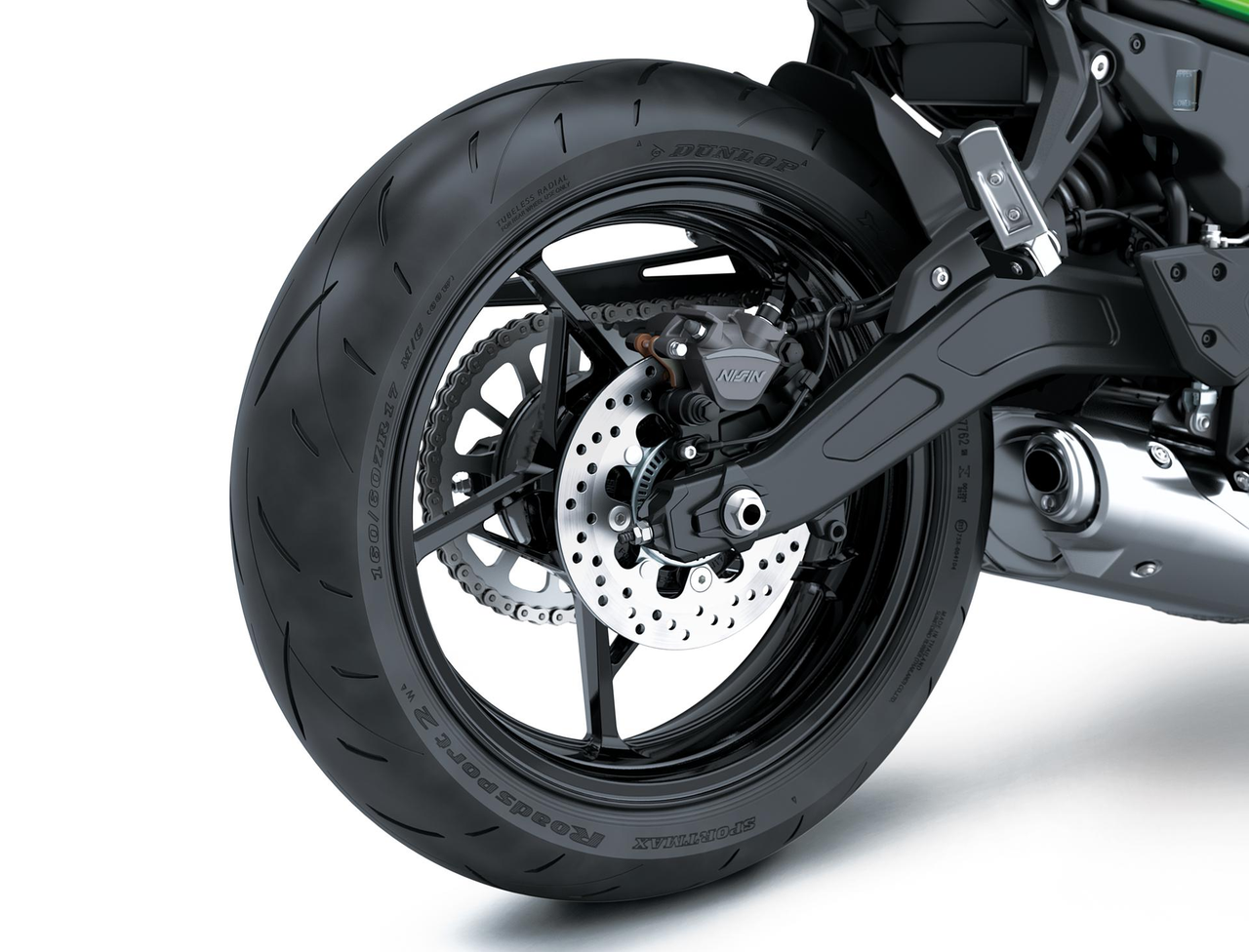
| Tyre, rear | 160/60 ZR17 M/C (69W) |
| L x W x H | 2,045 x 740 x 1,140 mm |
| Steering angle L/R | 32° / 32° |
| Wheel base | 1,395 mm |
| Ground clearance | 125 mm |
| Fuel capacity | 15.0 litres |
| Seat height | 785 mm |
| Curb mass* | 194 kg |
| | *Curb mass includes all necessary materials and fluids to operate correctly, full tank of fuel (more than 90 percent capacity) and tool kit (if supplied). |
| Estimated dry weight** | 179 kg |
| | **Estimated Dry weight does not include all necessary materials and fluids to operate correctly, full tank of fuel (more than 90 percent capacity) and tool kit (if supplied). |
| Front brake type | Dual semi-floating discs |
|---|---|
| Front brake diameter | Ø 300 mm |
| Front brake caliper type | Radial-mount, opposed 4-piston |
| Rear brake type | Single disc |
| Rear brake diameter | Ø 220 mm |
| Rear brake caliper type | Single-piston |
| Front suspension type | Inverted Separate Function fork (SFF-BP) |
| Front suspension diameter | Ø 37 mm |
| Rear suspension type | Horizontal Back-link with spring preload adjustability |
Inpage Navigation Section: Accessories